Apartments for Sale in Mallorca
From charming city apartments in Palma to modern apartments with sea views on the southwest coast – discover our hand-picked selection.
- Our properties for sale
- 42
- Price range
- €470,000 – €3,880,000
- Median asking price
- €1,355,000
Our figures: properties for sale on thomasmallorca.com, as of October 26, 2026.
42 properties
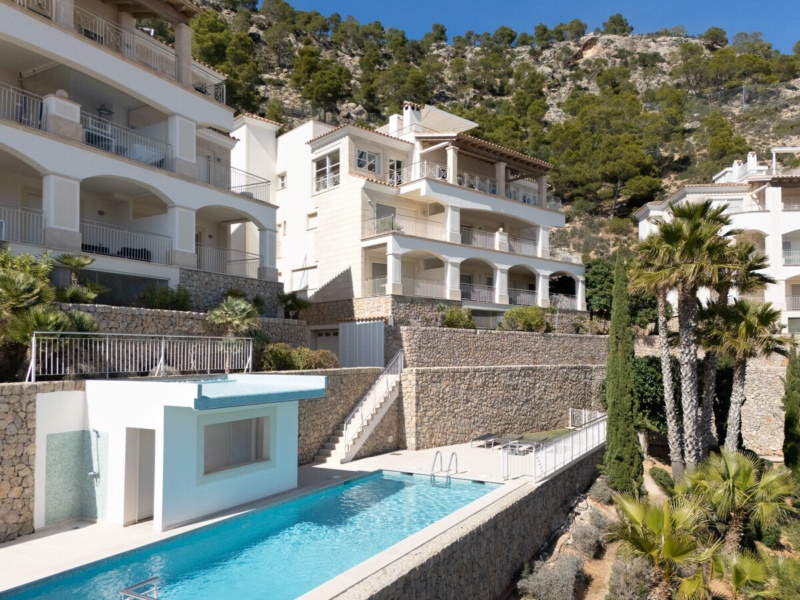
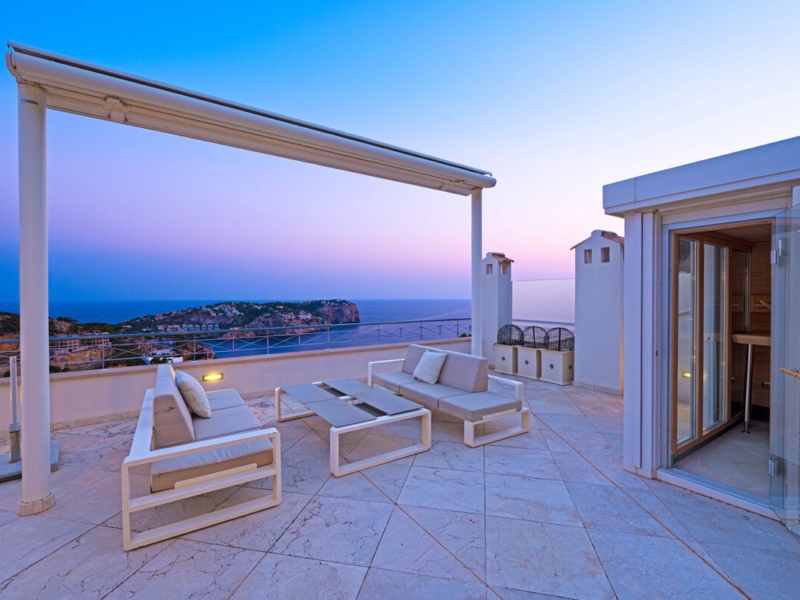
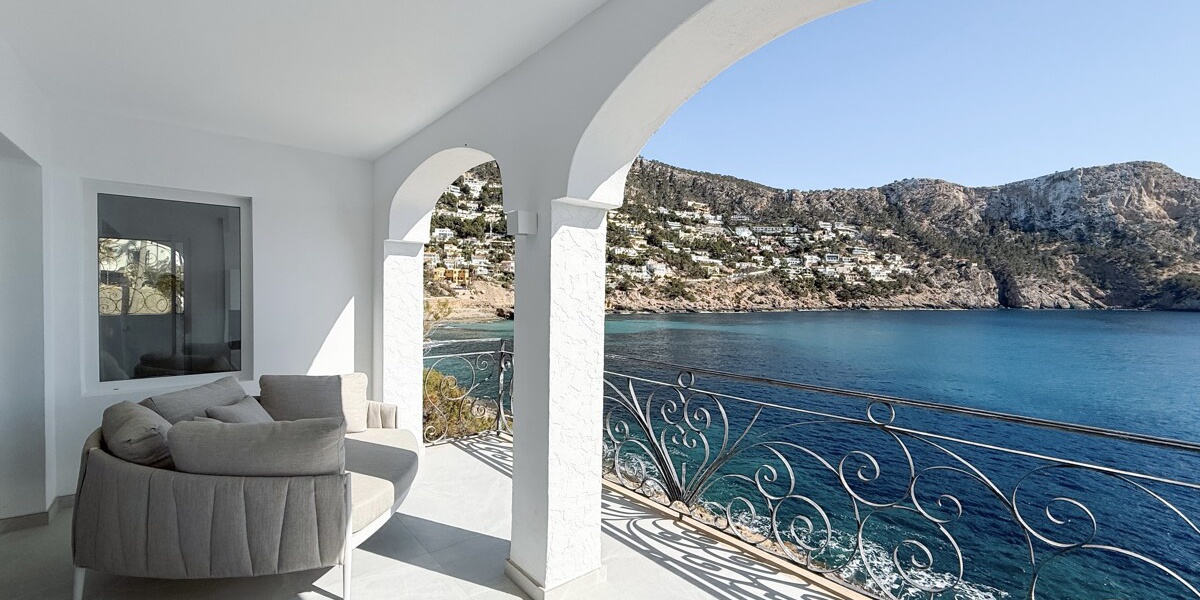
Exclusive Penthouse with Sea View in Port Andratx
Port d'Andratx
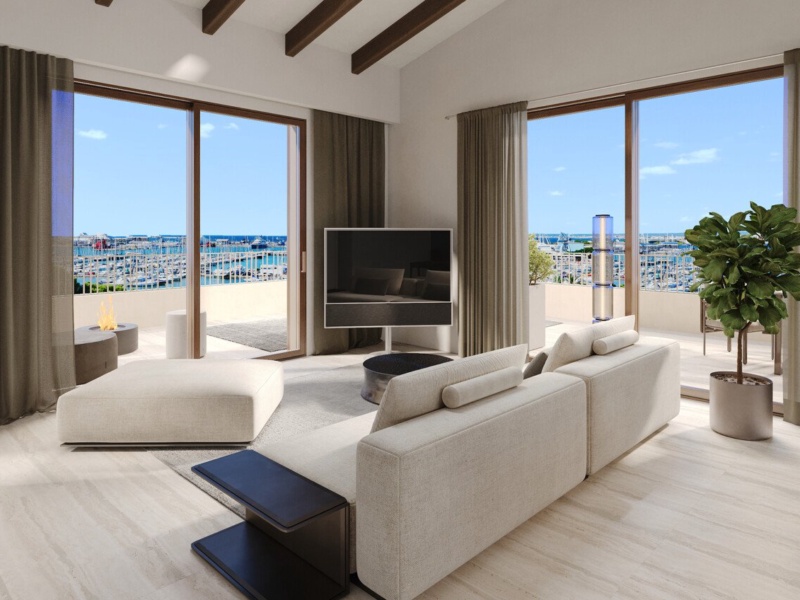
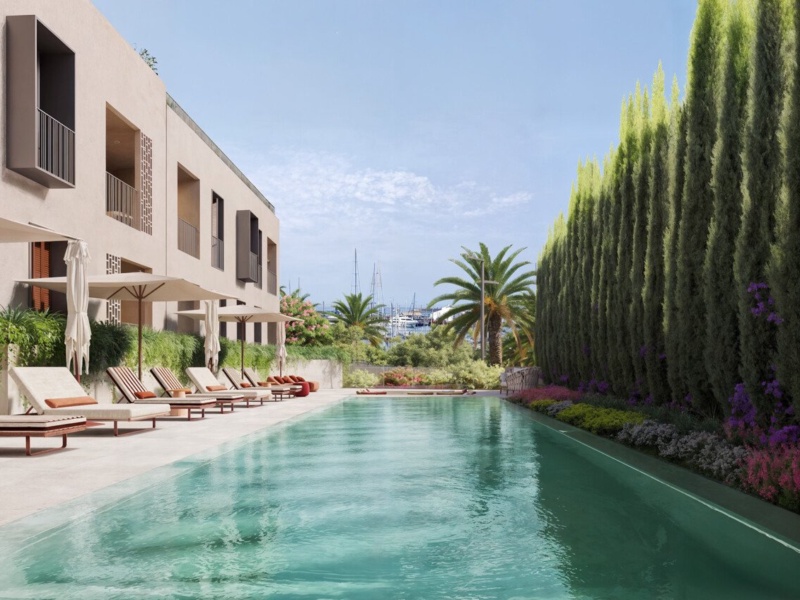
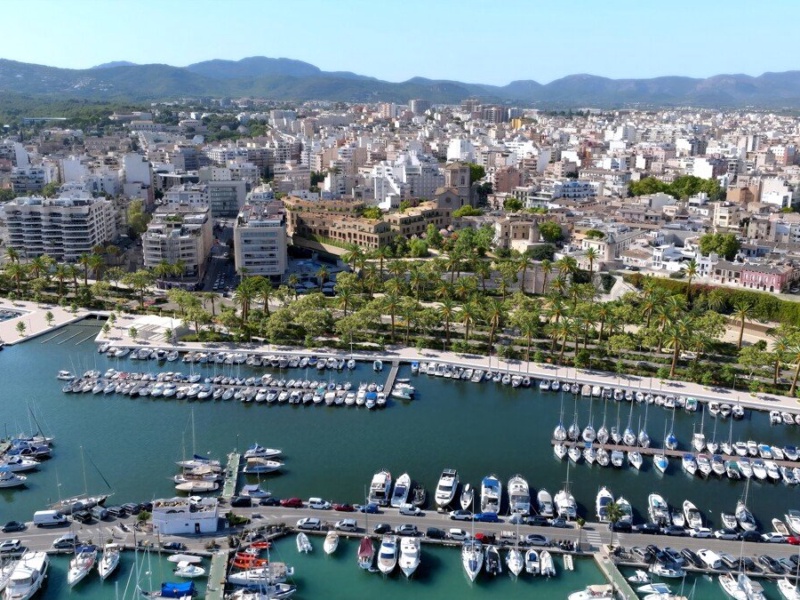
XO JONQUET – New-build penthouse, A+, with rooftop terrace, lift, pool, spa, garage and gym on the Paseo Marítimo
Palma de Mallorca
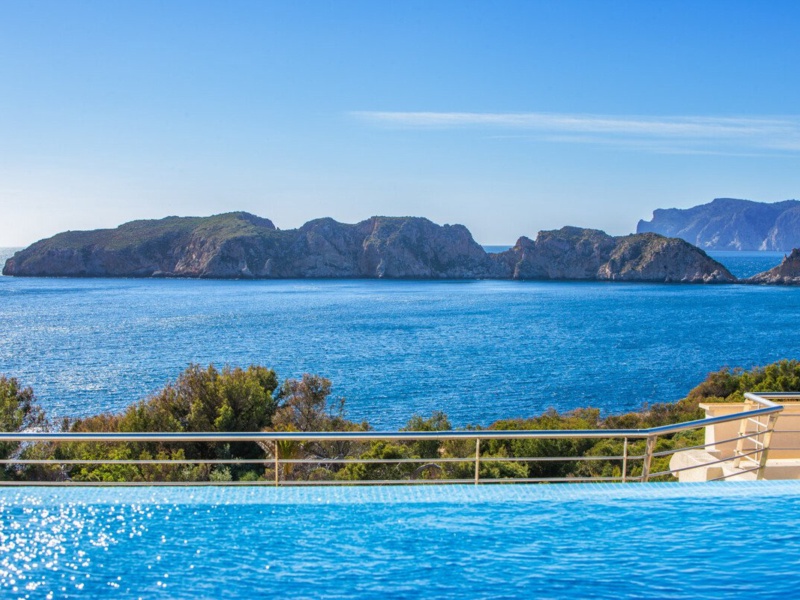
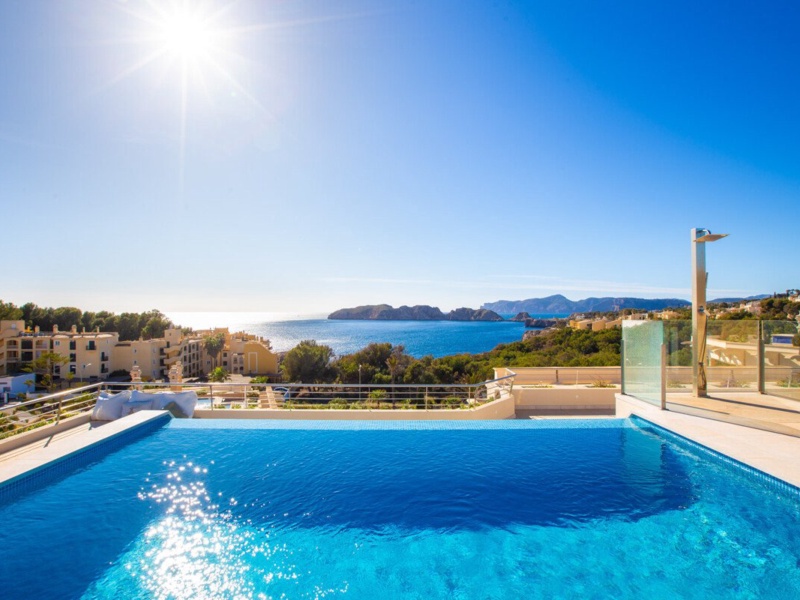
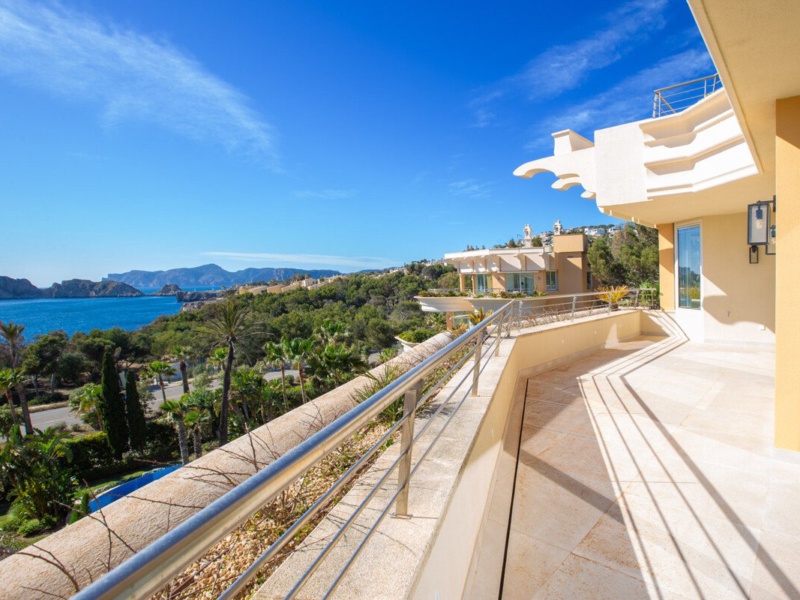
Unique Penthouse with Dream View and Private Pool on the Rooftop Terrace
Santa Ponca
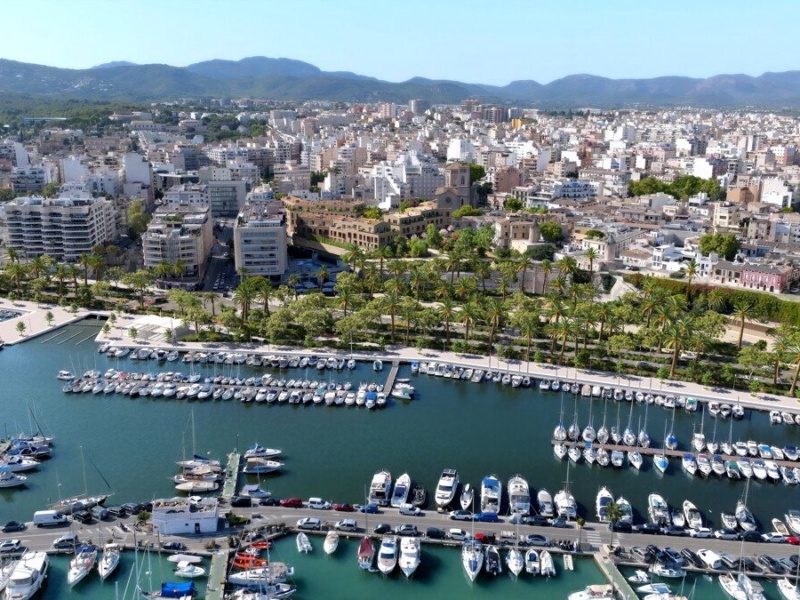
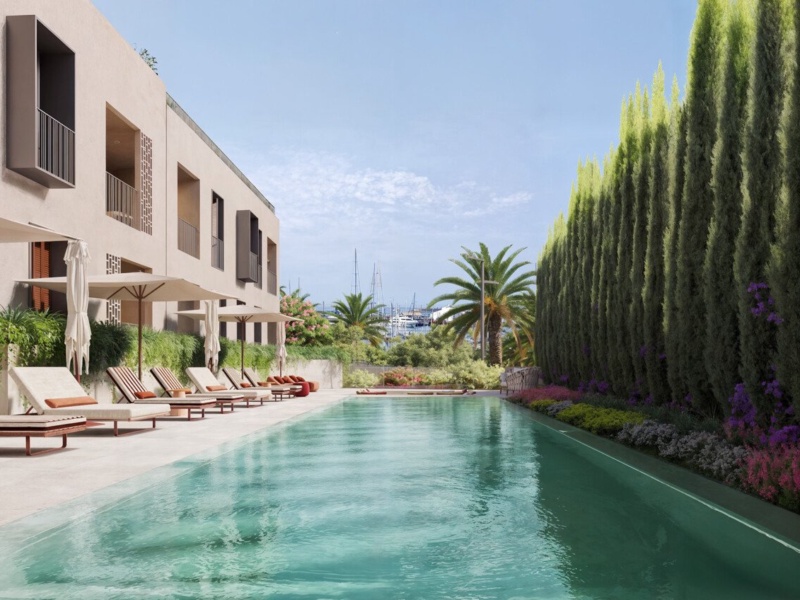
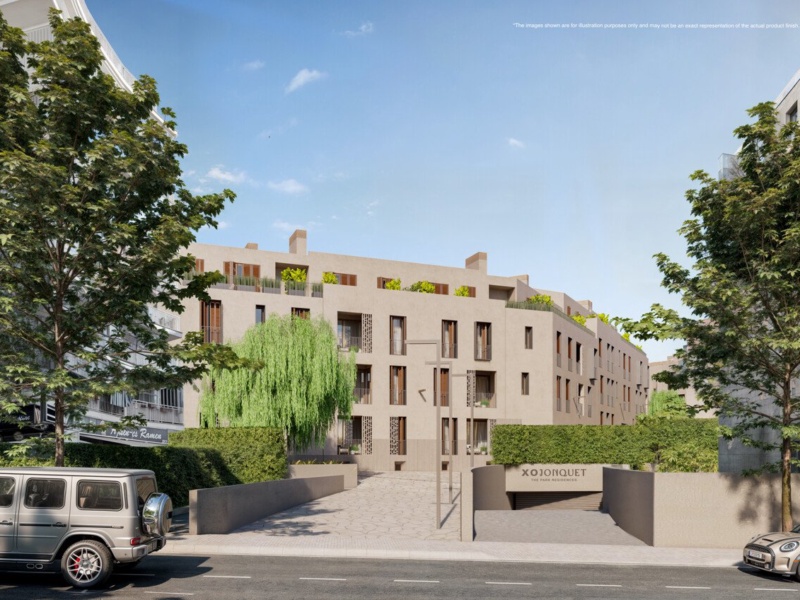
XO JONQUET New-Build Duplex on the Paseo Marítimo with Huge Terrace, 2 Parking Spaces, Pool, Spa, Gym, Cinema, etc.
Palma de Mallorca
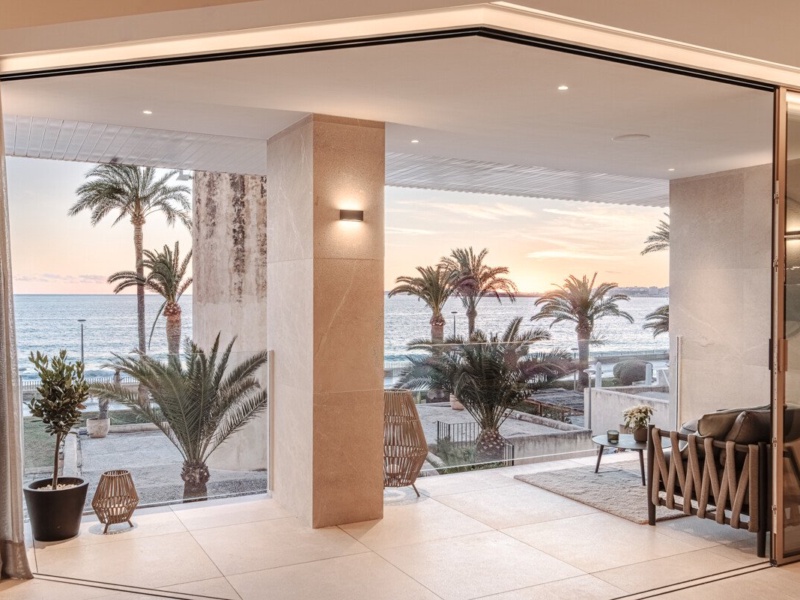
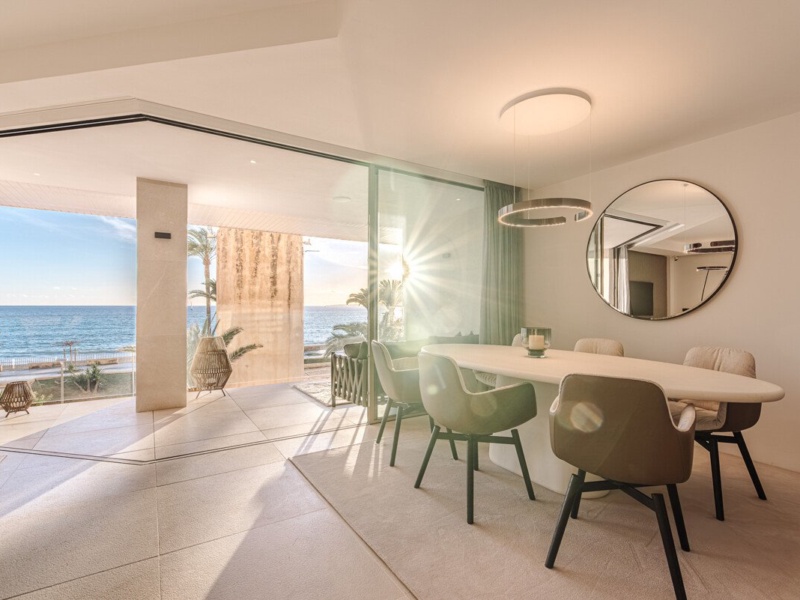
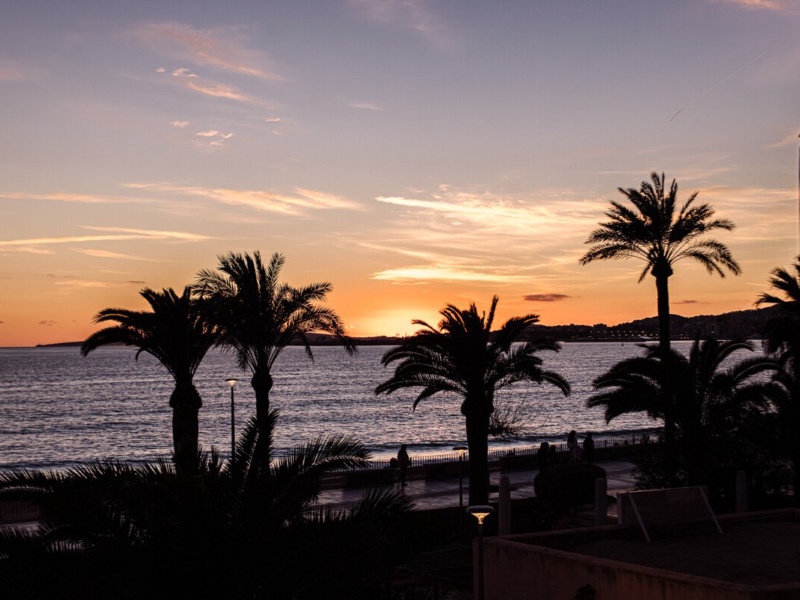
Exclusive Designer Apartment in First Sea Line in Portixol – First Occupancy After Renovation
Palma de Mallorca
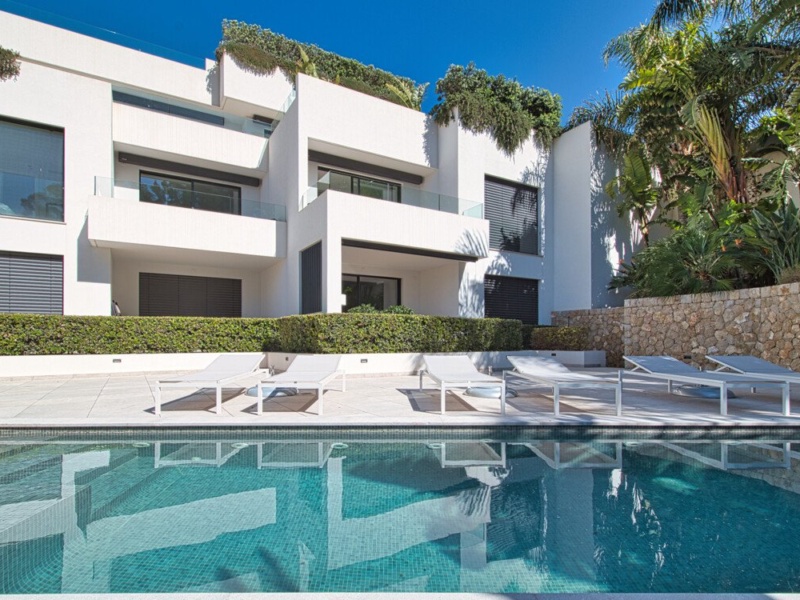
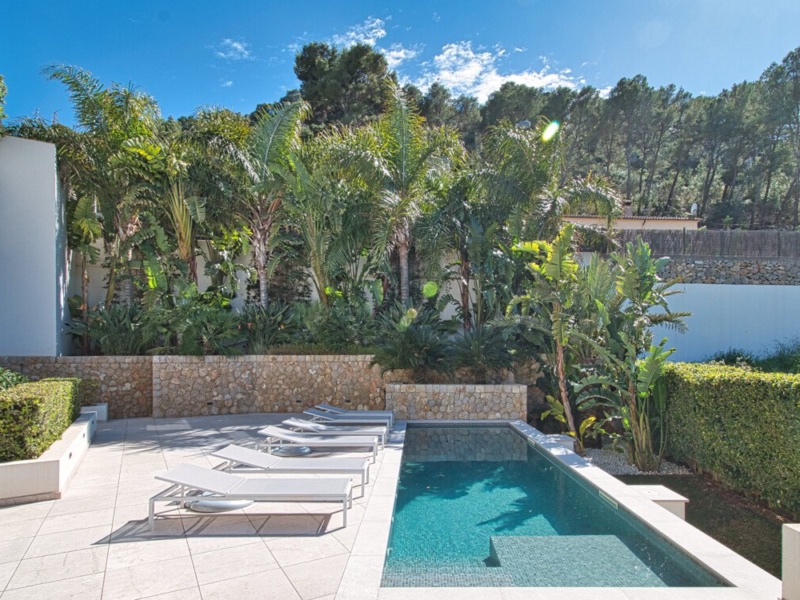
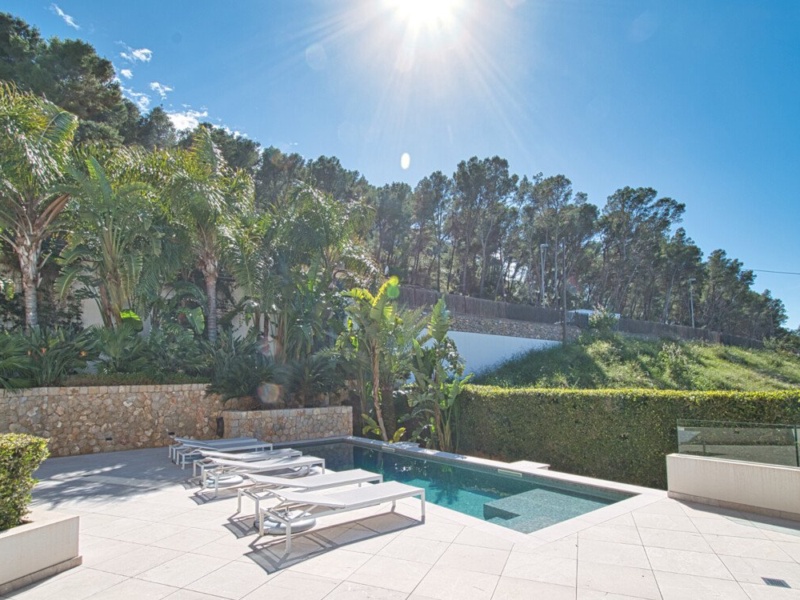
Modern luxury apartment in central location of Port Andratx
Port d'Andratx
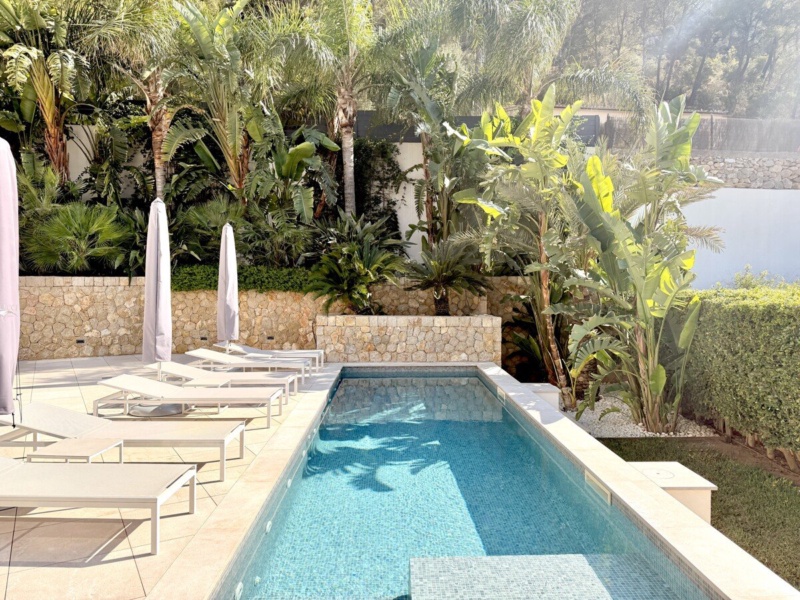
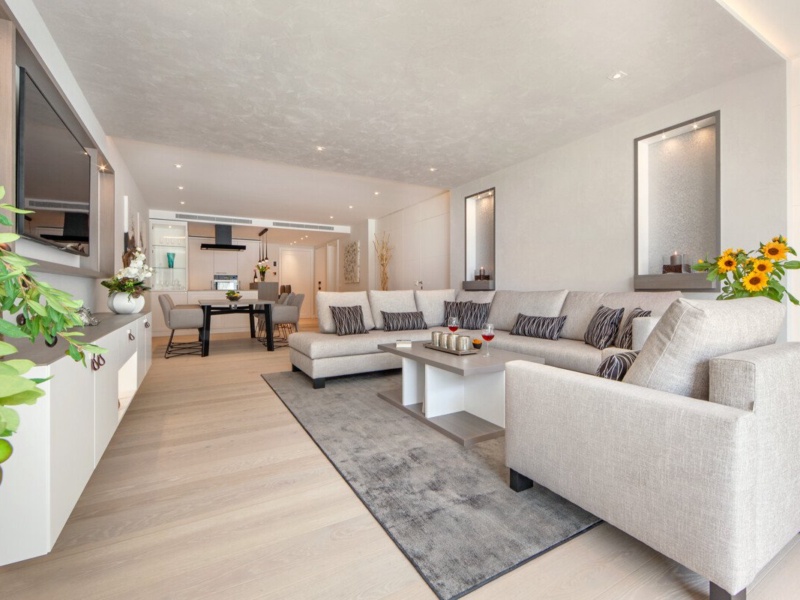
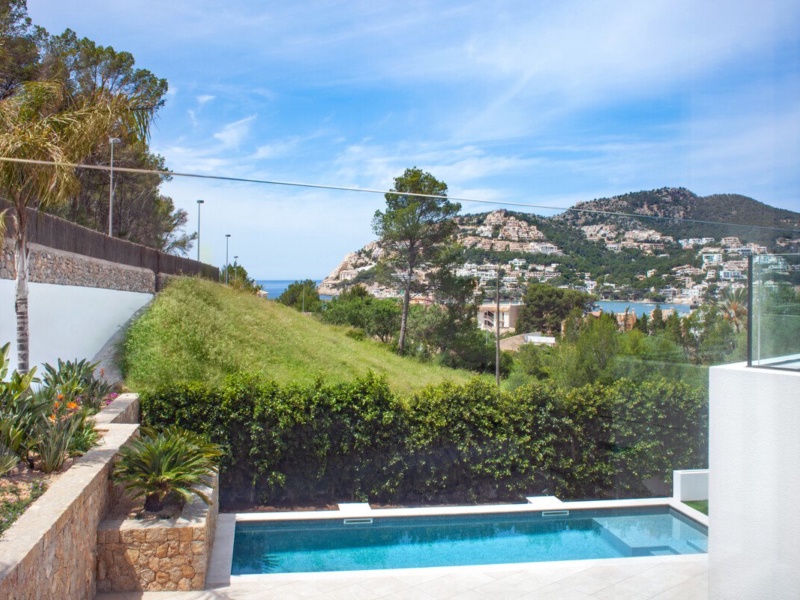
Elegant Designer Apartment in the Centre of Port d’Andratx
Port d'Andratx
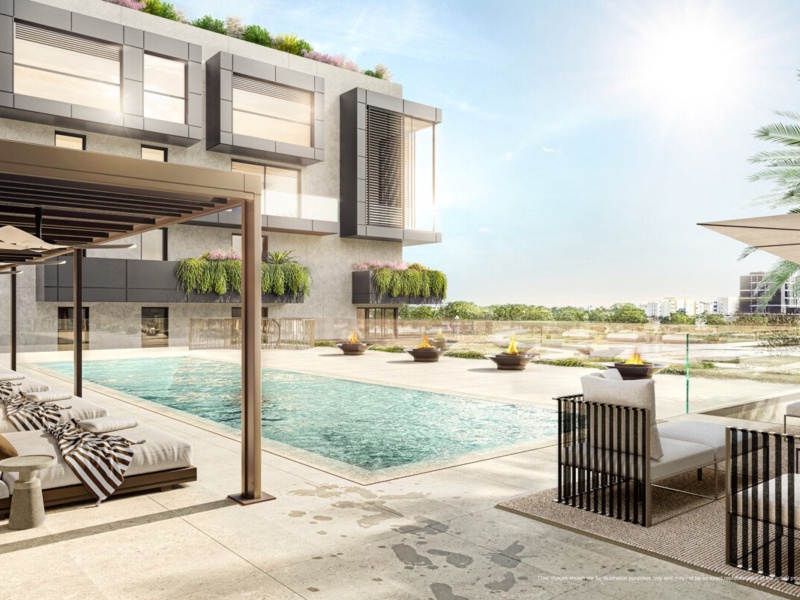
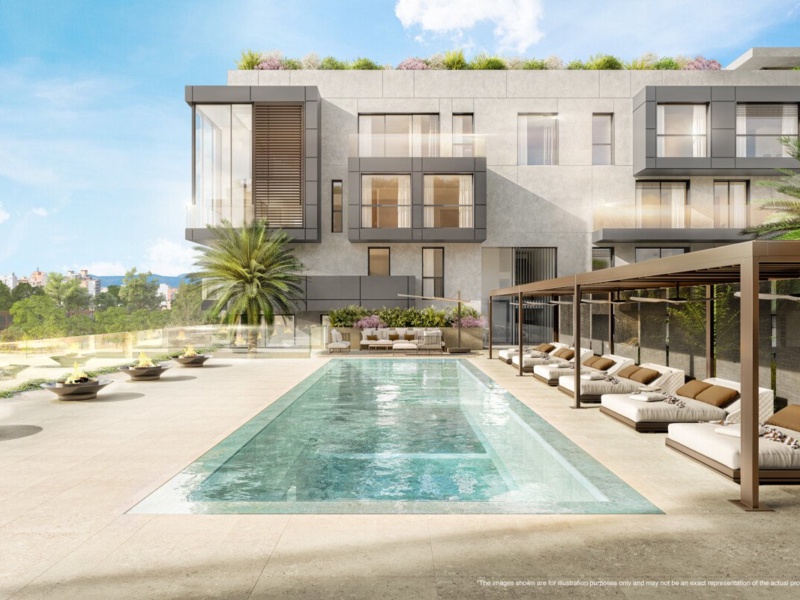
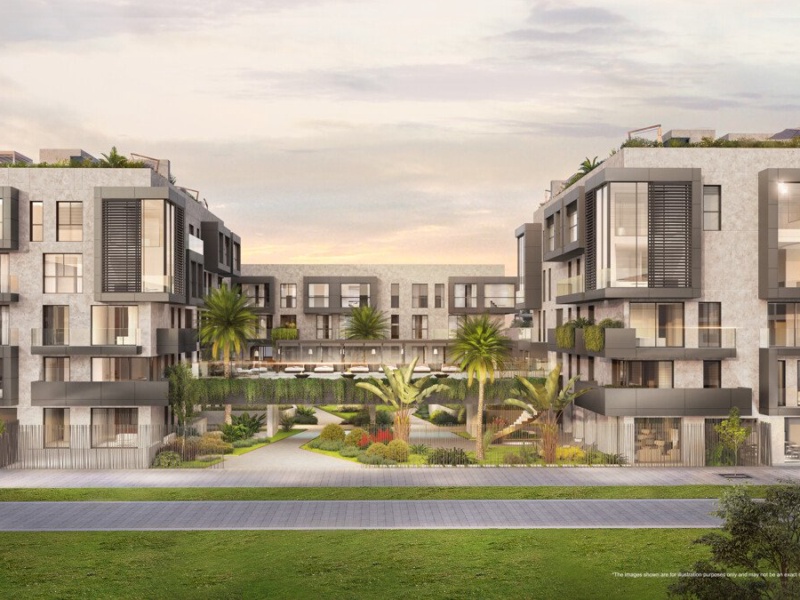
Exclusive Penthouse in Palma with Pool, Gym, Golf Simulator, Cinema, Spa & Shared Boat
Palma de Mallorca
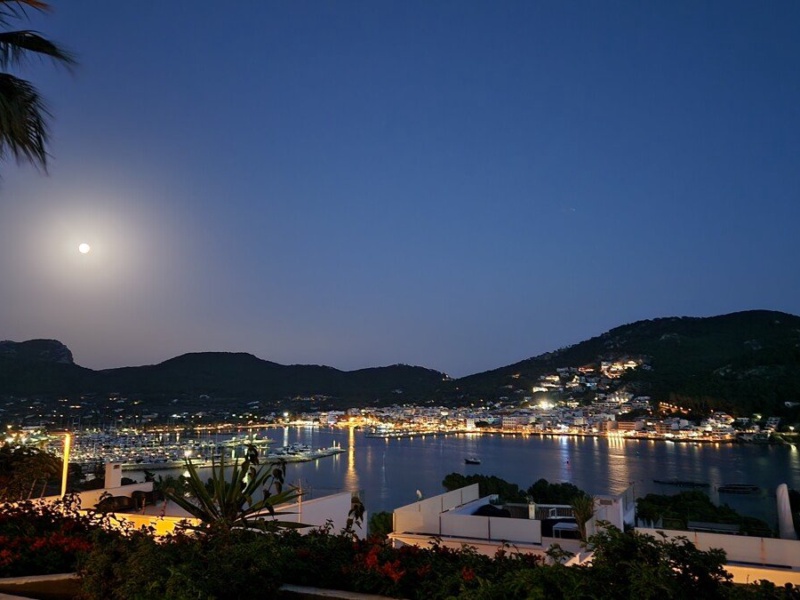
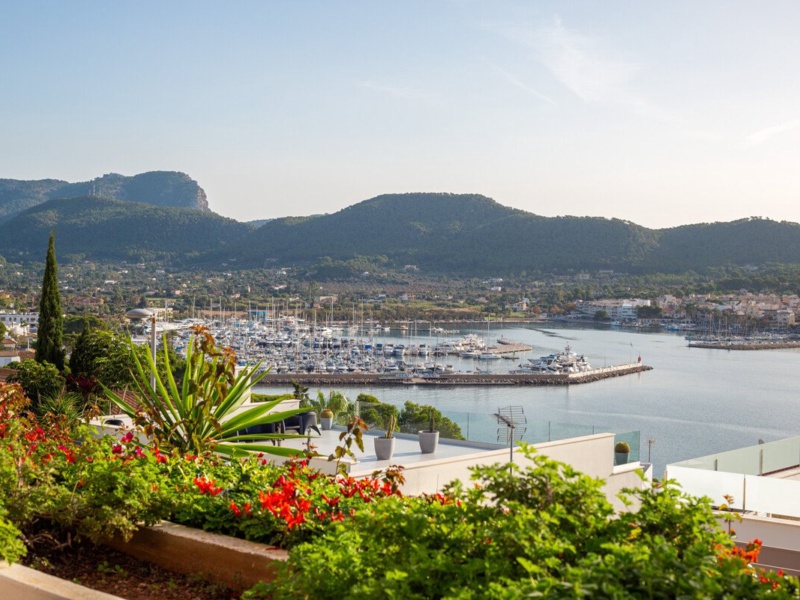
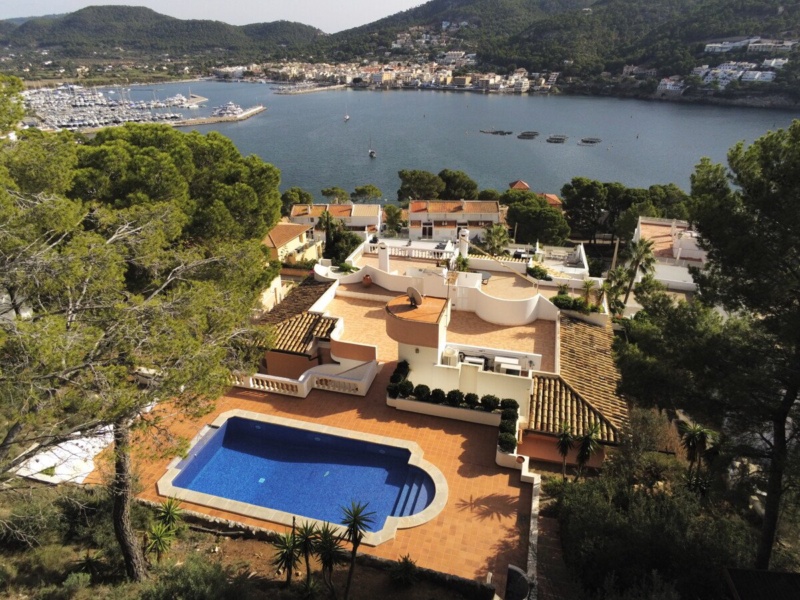
Spacious Apartment with Large Terrace and Harbor View
Port d'Andratx
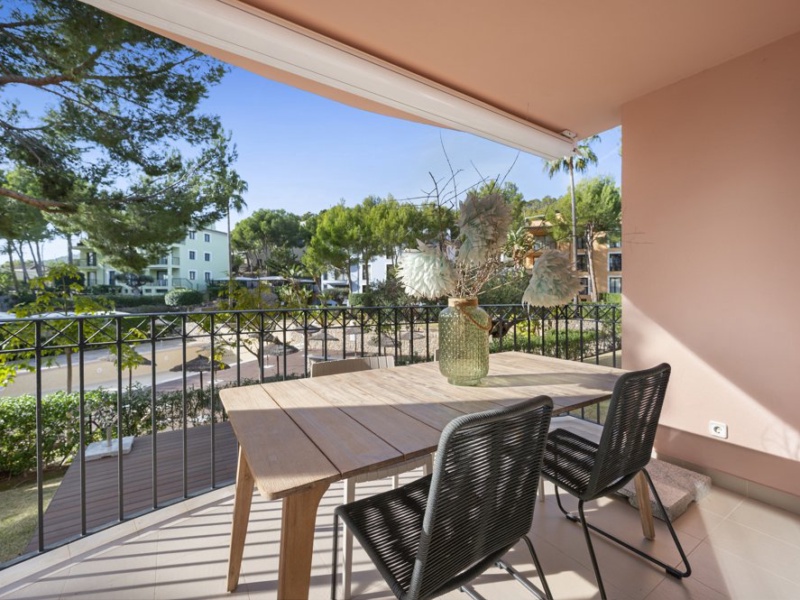
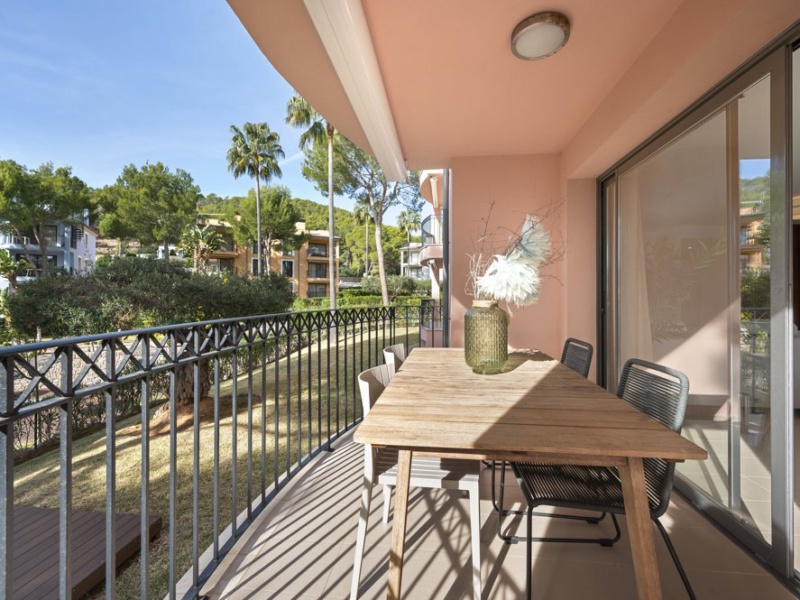
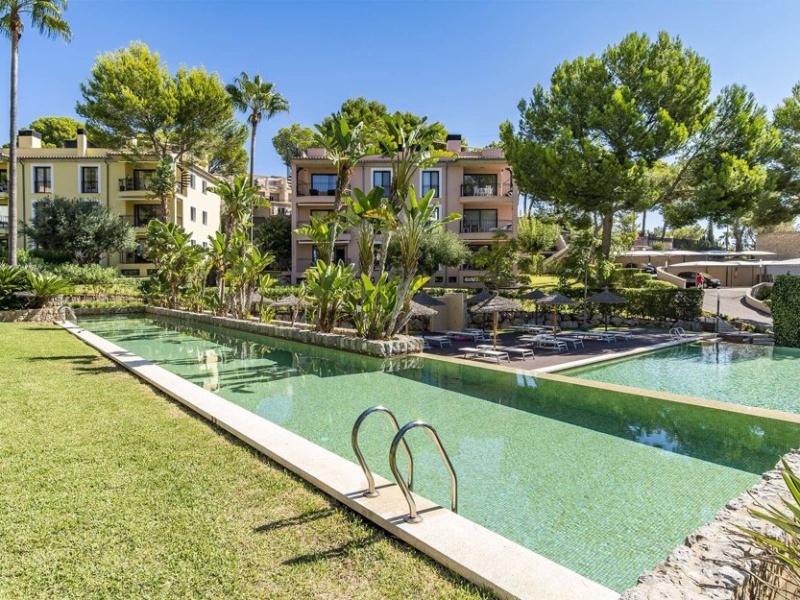
Designer apartment with 4 bedrooms in luxury residence in Camp de Mar for sale
Camp de Mar
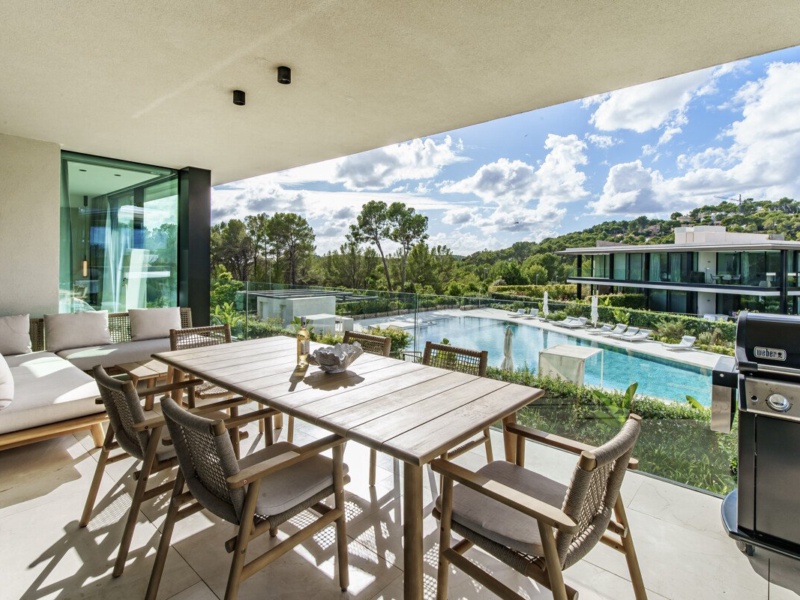
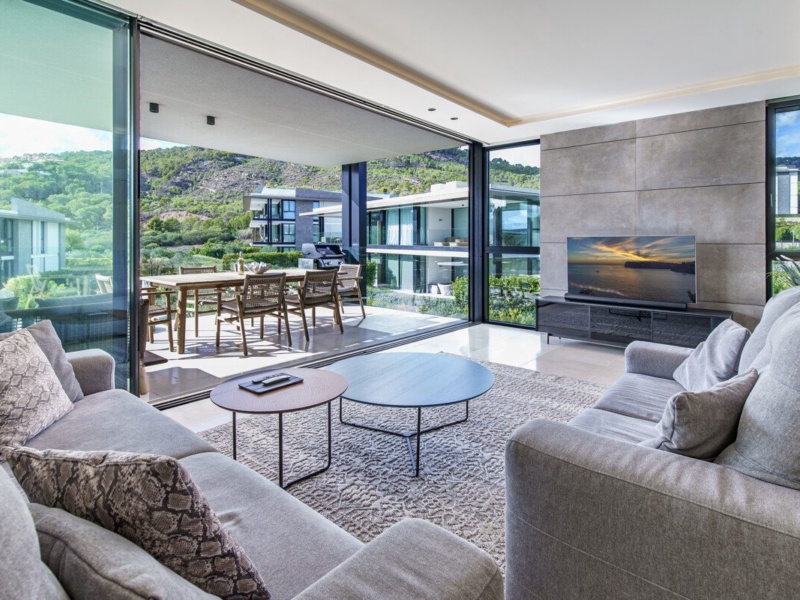
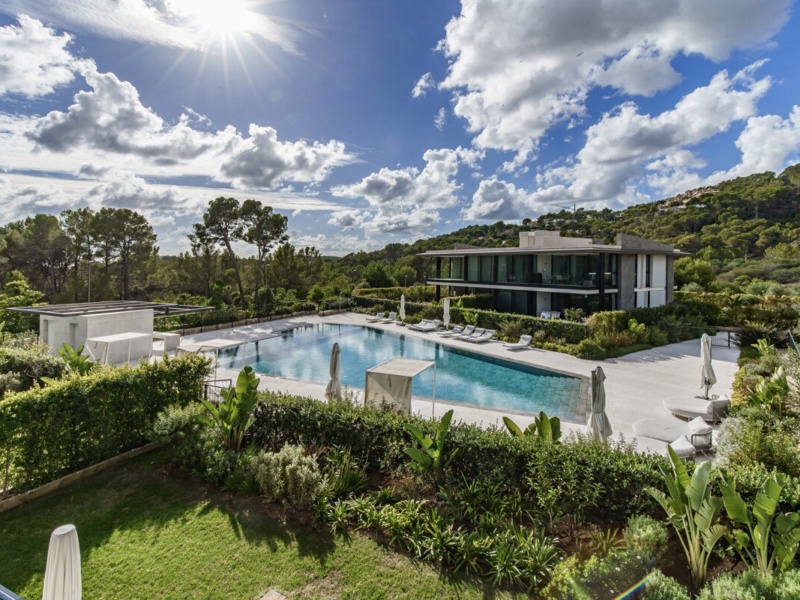
Modern 3-Bedroom Apartment with Large Terrace in Luxury Complex with 2 Pools for Sale
Peguera
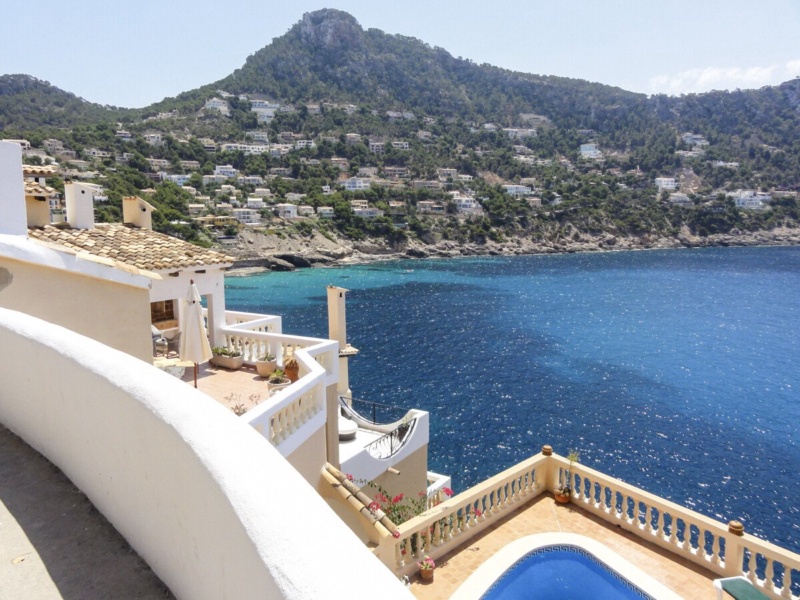
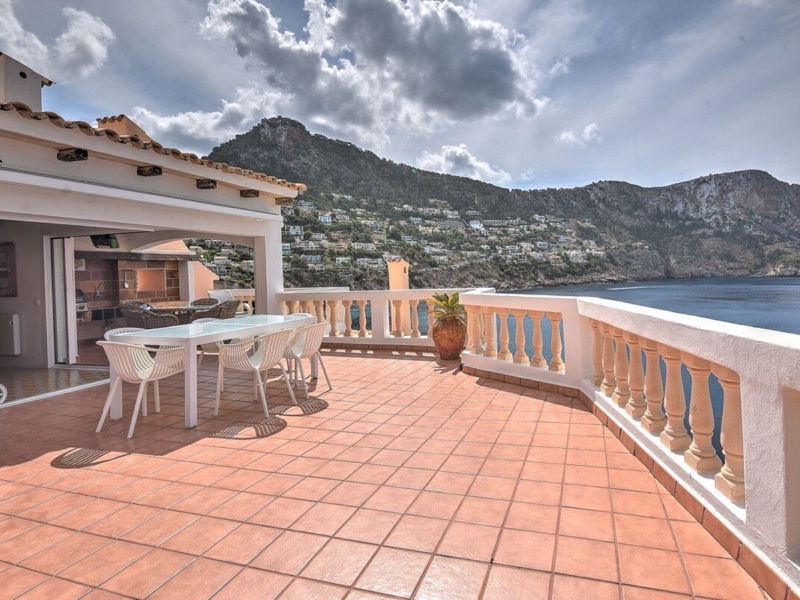
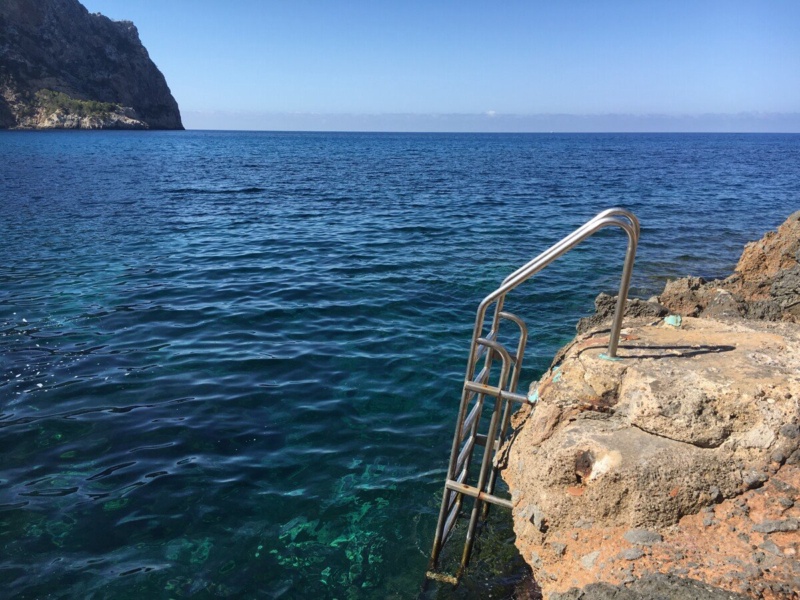
Exclusive Duplex Penthouse in Spectacular Frontline & Direct Sea Access
Port d'Andratx
Your Entry into Mediterranean Living


Author: Klaudia Wolf Reviewed by Matthias Thomas
Mallorca combines comfortable living with a unique quality of life – and that's precisely what makes the island one of the most popular residential property markets in all of Europe. Whether as a permanent residence, a holiday home, or a high-yield investment: the range extends from compact city apartments in Palma's old town, to light-filled apartments with sea views on the southwest coast, to spacious new-build apartments with communal pools in modern residential complexes. For buyers from Germany, Austria, and Switzerland, getting started is straightforward – and the demand for high-quality apartments on the island has been rising continuously for years.
Features and Amenities
The range of apartments on the island is diverse and varies considerably depending on the location, year of construction, and price category. Generally, these are residential units within an apartment building or a residential complex, usually located on one floor.
Typical features:
- Living areas between 50 and 200 square meters
- One to four bedrooms, often with en-suite bathrooms
- Balconies, terraces, or loggias – often with sea views or views of the greenery
- Open-plan modern kitchens or separate kitchens in older buildings
- Communal facilities such as a pool, garden, gym, or concierge service
- Underground parking spaces and storage rooms
New construction projects are increasingly focusing on energy-efficient construction, smart home technology, floor-to-ceiling windows, and high-quality materials such as natural stone, oak wood, and designer fittings. In historic buildings – for example, in Palma's Casco Antiguo – you will find apartments with high ceilings, original stone floors, and traditional charm that have been carefully modernized.
The Best Locations at a Glance
Location is one of the decisive factors – for quality of life as well as for value development and rental potential.
Palma de Mallorca
The island capital offers by far the largest and most diverse market. In the historic old town, you'll find lovingly renovated apartments in centuries-old city palaces – often with inner courtyards, high ceilings, and unique character. The trendy district of Santa Catalina attracts with a lively mix of restaurants, boutiques, and a market hall. On the Paseo Marítimo and in Portixol, residents enjoy direct harbor views and urban beach life. The upscale residential areas of Son Armadams, El Terreno, and Bonanova offer quieter locations with panoramic views over the Bay of Palma.
Southwest Coast
The coast between Palma and Port d'Andratx is among the most exclusive addresses on the island. Bendinat, Illetas, Cas Català, and Costa d'en Blanes offer high-quality residential complexes with sea views and short distances to international schools, golf courses, and marinas. Santa Ponsa and Cala Vinyes are particularly popular with families and offer a wider price range.
North and Northeast
Alcúdia and Port de Pollença are ideal for buyers who prefer a quieter atmosphere. The proximity to long sandy beaches and a relaxed lifestyle characterize this region. In Cala Ratjada and Cala Millor on the east coast, you will also find attractive offers, often at more moderate prices than on the southwest coast.
Inland
Those seeking authenticity and tranquility will find it in places like Sóller, Artà, or Santanyí. Apartments in these Mallorcan small towns offer Mediterranean flair, proximity to weekly markets and restaurants, and are often more affordable than coastal locations – while still offering high rental potential during the high season.
Price Range
Prices vary greatly depending on location, size, condition, and amenities. The following ranges serve as a guide:
- Entry-level prices (rural locations, requiring renovation): from approx. €150,000 – €250,000
- Mid-range segment (good locations, well-maintained condition): €300,000 – €600,000
- Upper segment (sea views, new builds, top locations): €600,000 – €1,500,000
- Premium apartments (penthouse style, best addresses in Palma or on the southwest coast): from €1,500,000
In Palma's old town, square meter prices typically range between €4,000 and €8,000. In the premium locations of the southwest coast, they can rise to over €10,000 per square meter. In the north and east of the island, prices are generally significantly more moderate.
The Purchase Process Step by Step
The process differs from German property purchases in several key aspects. Knowing the individual steps allows you to navigate the process confidently and efficiently.
1. Apply for a NIE Number
The Número de Identificación de Extranjero (NIE) is the Spanish tax identification number for foreigners and is mandatory for any property acquisition in Spain. The application is made at the Spanish National Police on the island or through the Spanish Consulate in your home country – processing time: two to four weeks.
2. Reservation Agreement and Deposit
Once you have found a suitable property, a reservation agreement (Contrato de Reserva) is first concluded. This takes the property off the market for an agreed period. The reservation fee is usually between €5,000 and €10,000 and is credited towards the purchase price.
3. Preliminary Purchase Agreement (Contrato de Arras)
In the next step, a private preliminary purchase agreement is signed. The buyer pays a deposit of typically 10 percent of the purchase price. If the buyer withdraws without a valid reason, the deposit is forfeited. If the seller withdraws, they must refund double the amount.
4. Due Diligence
Before the final transaction, a comprehensive legal and technical review should be carried out: land registry entry, outstanding encumbrances, ownership details, building permits, division deed, and community statutes. A specialized real estate lawyer is essential for this.
5. Notarial Deed (Escritura Pública)
The purchase agreement is signed before a Spanish notary. Buyer and seller – or their authorized representatives – appear in person. With the signature, ownership transfers to the buyer.
6. Land Registry Entry
After the notarial deed, the transfer of ownership is registered in the land registry (Registro de la Propiedad). This step legally secures your ownership and should be done promptly.
Taxes and Additional Costs
In addition to the purchase price, additional costs are incurred, totaling approximately 10 to 13 percent:
- Property Transfer Tax (ITP): For existing properties, it ranges between 8 and 13 percent. For new builds, there is 10 percent Value Added Tax (IVA) plus 1.5 percent Stamp Duty (AJD).
- Notary fees: €600 to €1,500, depending on the purchase price.
- Land registry fees: €400 to €1,000.
- Legal fees: Typically 1 to 1.5 percent of the purchase price (plus VAT), with a minimum of approx. €1,500.
- Broker commission: On Mallorca, this is usually borne by the seller.
Ongoing Costs
As an owner, you should budget for the following recurring costs:
- Property Tax (IBI): Annually between €400 and €2,000, depending on the municipality and cadastral value.
- Community fees (Comunidad): Monthly between €100 and €500 – these cover maintenance of the pool, garden, elevator, stairwell, and building insurance. In luxury complexes with a concierge or wellness area, these can be higher.
- Waste disposal fee: €100 to €300 annually.
- Tax for non-residents: Those who do not permanently occupy the property pay an annual tax on the imputed rental value (approx. 0.3–0.5% of the cadastral value, taxed at 19% for EU citizens).
- Wealth tax: Relevant for properties valued at over €3,000,000 in the Balearic Islands.
- Insurance: Household insurance between €200 and €600 annually.
- Utilities: Electricity, water, and internet, depending on usage, €150 to €300 per month.
Rental and Yield
With over 13 million tourists annually, Mallorca is one of Europe's most visited destinations – consequently, the demand for rental apartments is high.
Holiday Rentals
Since 2017, a license (ETV) is required for tourist rentals. For apartments in multi-family buildings, obtaining a license is restricted or no longer possible in many municipalities. It is essential to check whether a license exists or can be applied for before purchasing.
Long-Term Rentals
The demand for rental apartments is high – especially in Palma, where the rental market has been tight for years. Long-term contracts offer steady income, less administrative effort, and tax advantages compared to holiday rentals.
Yield Expectations
Gross yields for holiday rentals range between 4 and 8 percent depending on the location; for long-term rentals, 3 to 5 percent is realistic. In addition, there is long-term value appreciation: in sought-after locations, this has averaged 5 to 8 percent per year over the past ten years.
Renovation and Maintenance
When purchasing an existing property, you should realistically assess the need for renovation. Common measures include renewing bathrooms and kitchens, replacing windows, modernizing the electrical system, and installing air conditioning.
Costs for a complete renovation range from €800 to €2,000 per square meter, depending on the scope. Please note that tradespeople on the island – especially during high season – can be heavily booked, and lead times of several months are common.
In residential complexes, structural changes to the facade or floor plan often require approval from the homeowners' association. Please inform yourself about the community statutes in advance.
Legal Specifics
The purchase of a condominium involves several legal specifics that go beyond buying a detached house:
- Division Deed (División Horizontal): Regulates the division of the building into private and common property.
- Community Statutes (Estatutos de la Comunidad): Defines the rights and obligations of the owners, including usage restrictions such as pet ownership or short-term rentals.
- Minutes of Owners' Meetings: Provide information on planned renovations and approved special levies.
- Certificate of Habitability (Cédula de Habitabilidad): Confirms habitability and is required for registering utility contracts. Validity: ten years.
- Energy Performance Certificate (Certificado Energético): Mandatory for every property sale in Spain.
Financing
Both Spanish and German banks offer financing for properties in Mallorca. Spanish banks typically finance non-residents up to 60 to 70 percent of the purchase price or appraised value with terms of 15 to 25 years.
German banks with a focus on foreign real estate are also an option – especially if you already own properties in Germany that can serve as additional collateral. Comparing both markets is worthwhile.
Everyday Life and Quality of Life
Living in a condominium on the island offers numerous advantages. The maintenance of gardens and outdoor areas is handled by the homeowners' association – ideal for those who are not on-site year-round. The neighborhood in a residential complex also provides a sense of security.
Mallorca's infrastructure is excellent: international schools, first-class healthcare, a well-developed road network, and Son Sant Joan Airport with direct connections to over 150 European cities make everyday life comfortable. In addition, there is a rich cultural and leisure offering with restaurants, markets, galleries, golf courses, as well as hiking and cycling trails.
Personal Consultation with Thomas Mallorca Real Estate
Our German-speaking team has known the Mallorcan real estate market for years and will personally guide you through the entire purchase process – from the initial viewing and legal checks to the handover of keys. We work with experienced lawyers, tax advisors, and financing experts to ensure a smooth process.
Discover our current offers and contact us without obligation. We look forward to showing you your dream apartment in Mallorca.
Frequently Asked Questions
Apartment prices in Mallorca range from approximately 150,000 euros in rural locations to over 1.5 million euros for premium apartments in Palma or on the southwest coast. In the mid-price segment, well-maintained apartments in good locations cost between 300,000 and 600,000 euros.
Yes, EU citizens can purchase apartments in Mallorca without restrictions. Non-EU citizens are also allowed to buy. The only requirement is a Spanish tax identification number (NIE), which must be applied for before the purchase.
Although not legally required, an independent real estate lawyer is highly recommended when buying an apartment in Mallorca. They will check the land register, declaration of division, community statutes, and any outstanding encumbrances – and protect you from costly surprises.
Expect ancillary costs of about 10 to 13 percent of the purchase price. This includes property transfer tax (8–13% for existing properties), notary and land registry fees, as well as legal costs.
Long-term rentals are generally possible. A special license (ETV) is required for holiday rentals, which is restricted or no longer available for apartments in multi-family buildings in many municipalities. Check the license status before purchasing.
The main ongoing costs are: community fees (100–500 €/month), property tax IBI (400–2,000 €/year), waste disposal fee, insurance, and utility costs. Non-residents also pay an annual income tax on the imputed rental value.
Contact your estate agent in Mallorca
We advise you personally on property in Mallorca: by phone, WhatsApp, email or at our office on the harbour in Port Andratx.
Thomas Mallorca Real Estate
Carrer de Isaac Peral, 50, 07157 Port d'Andratx
Mon–Fri 10am–6pm, Sat 10am–4pm
5.0 · Google reviewsSince 1990 · Registered agent (ROAIIB)