Property for Sale in Palma de Mallorca
Palma de Mallorca – the vibrant capital of the island with historic charm, top-notch gastronomy, and a diverse real estate offering.

- Our properties for sale
- 10
- Price range
- €755,000 – €3,660,000
- Median asking price
- €1,357,500
Our figures: properties for sale on thomasmallorca.com, as of October 26, 2026.
10 properties
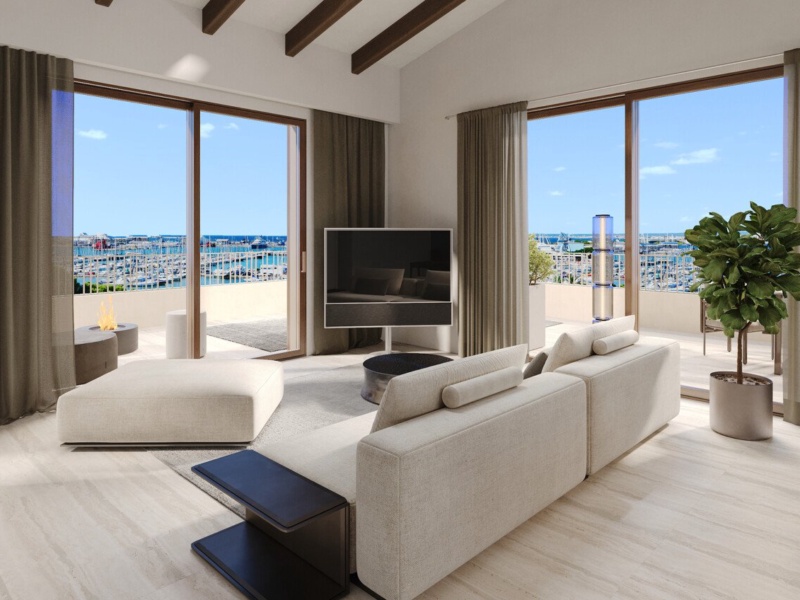
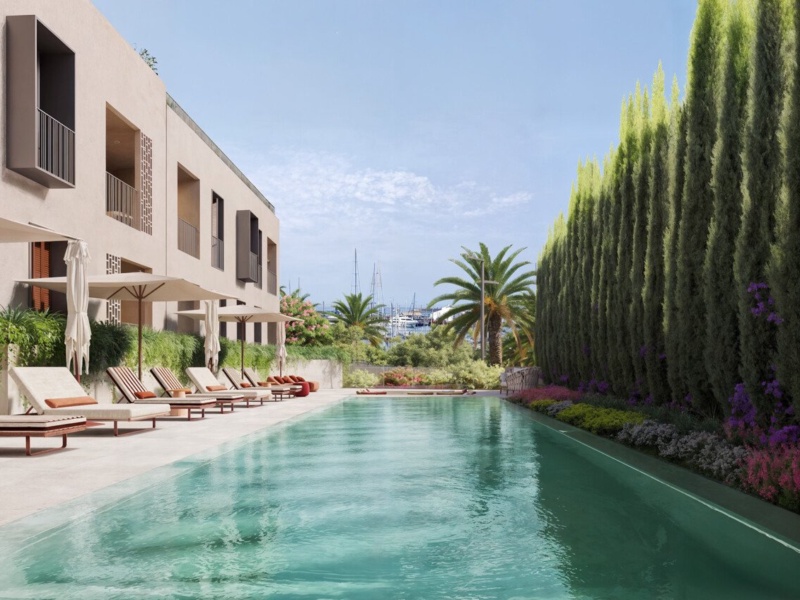
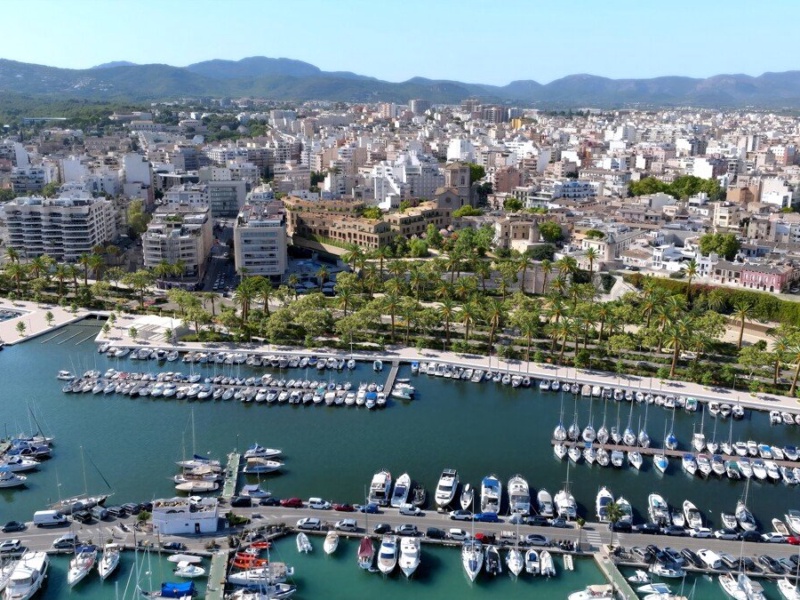
XO JONQUET – New-build penthouse, A+, with rooftop terrace, lift, pool, spa, garage and gym on the Paseo Marítimo
Palma de Mallorca
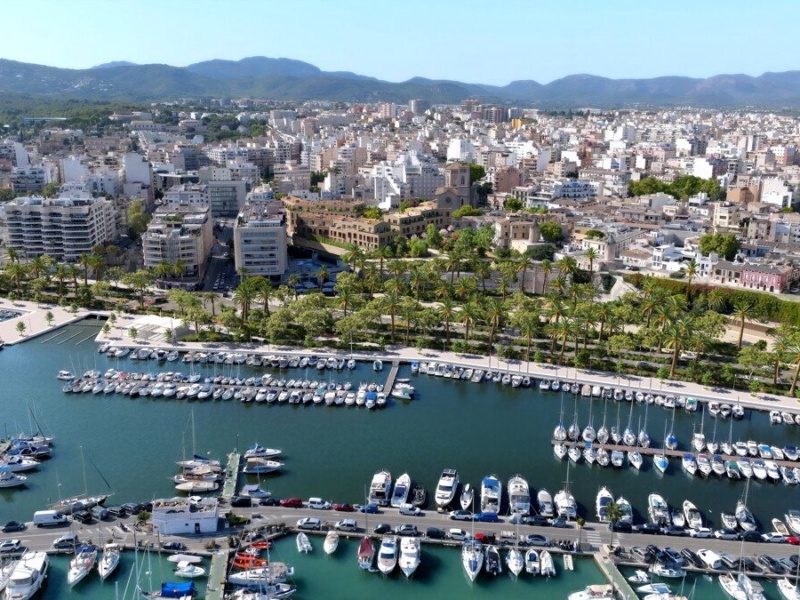
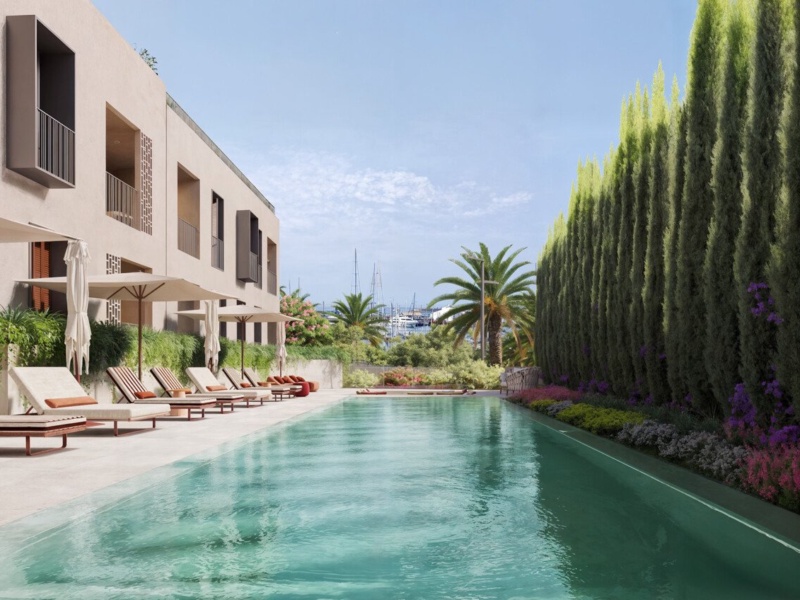
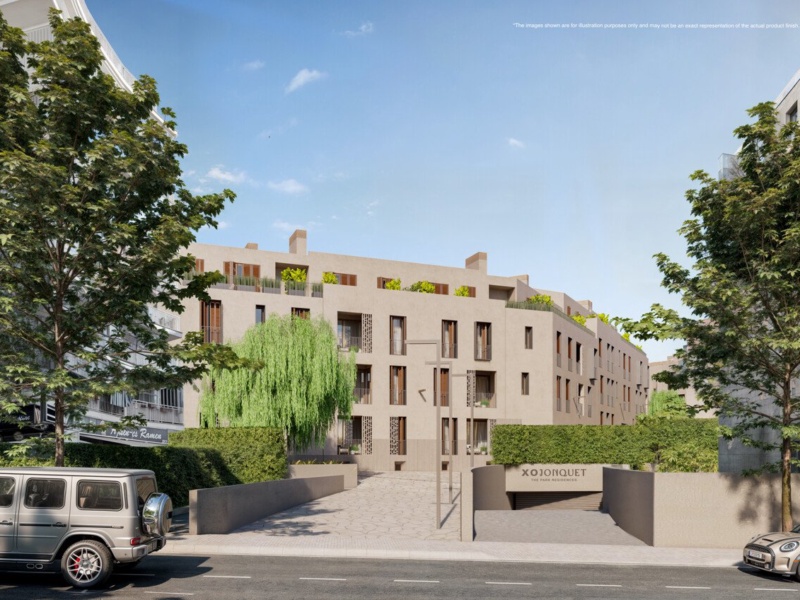
XO JONQUET New-Build Duplex on the Paseo Marítimo with Huge Terrace, 2 Parking Spaces, Pool, Spa, Gym, Cinema, etc.
Palma de Mallorca
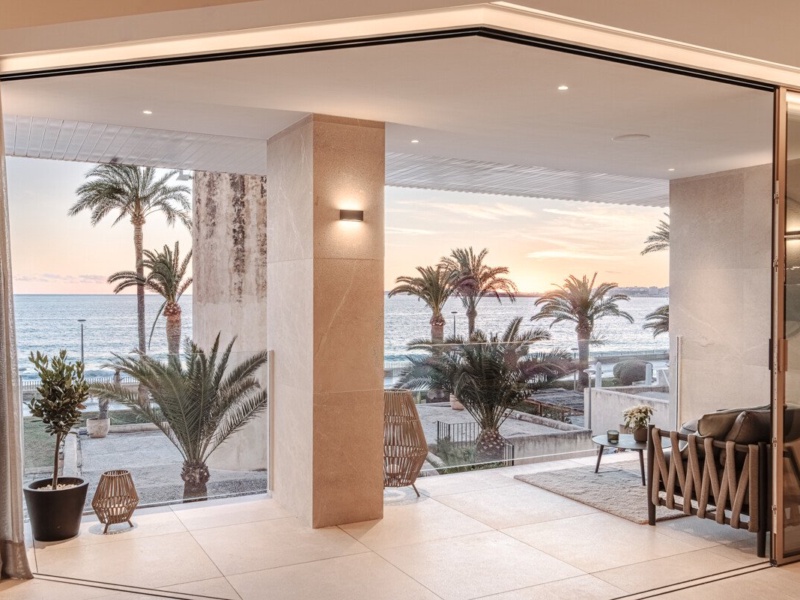
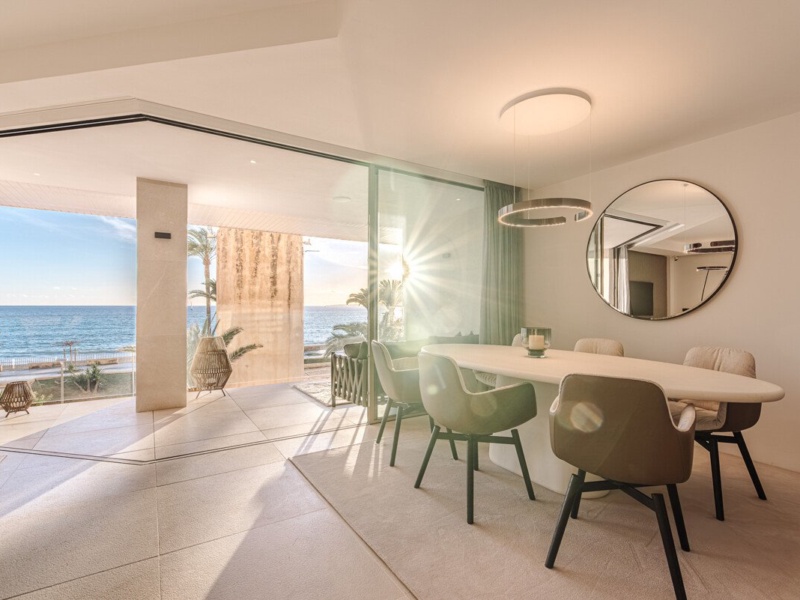
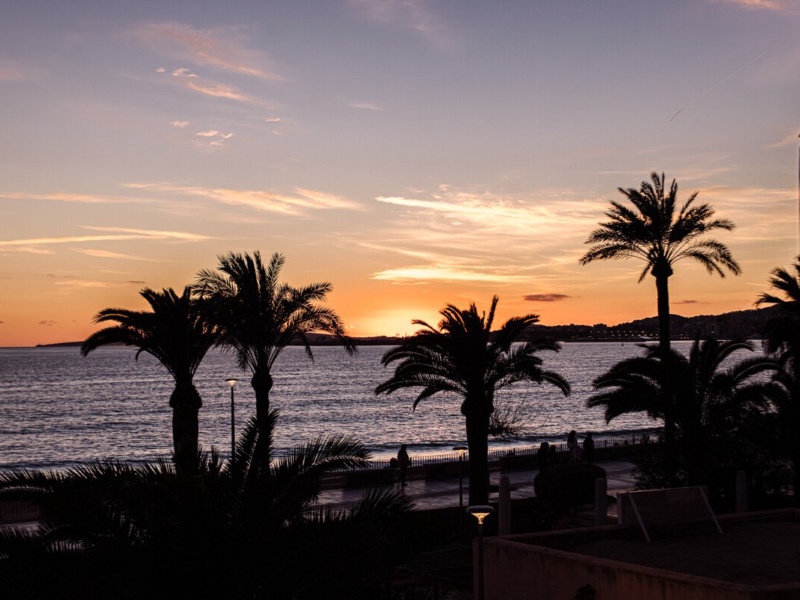
Exclusive Designer Apartment in First Sea Line in Portixol – First Occupancy After Renovation
Palma de Mallorca
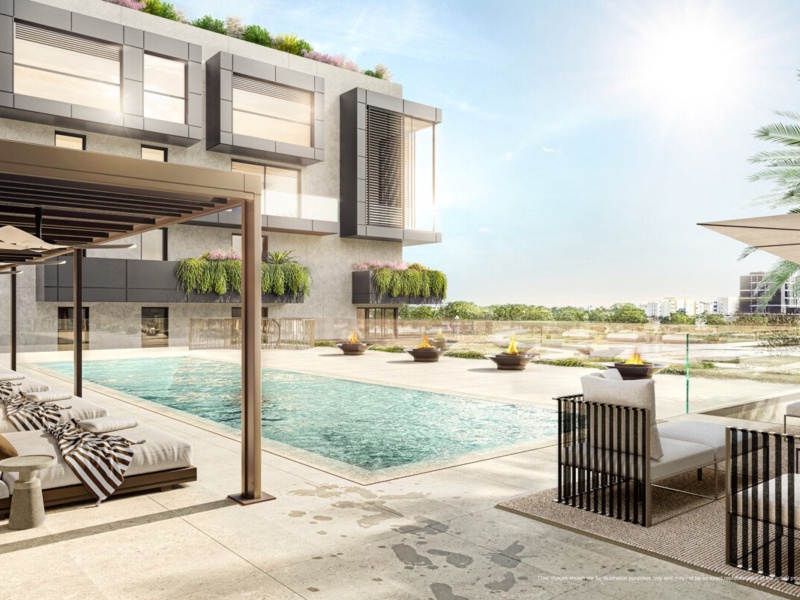
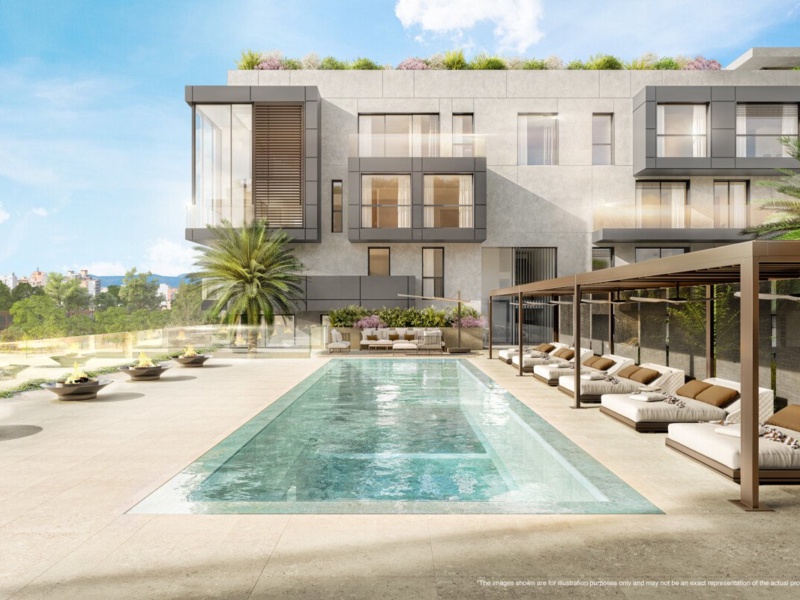
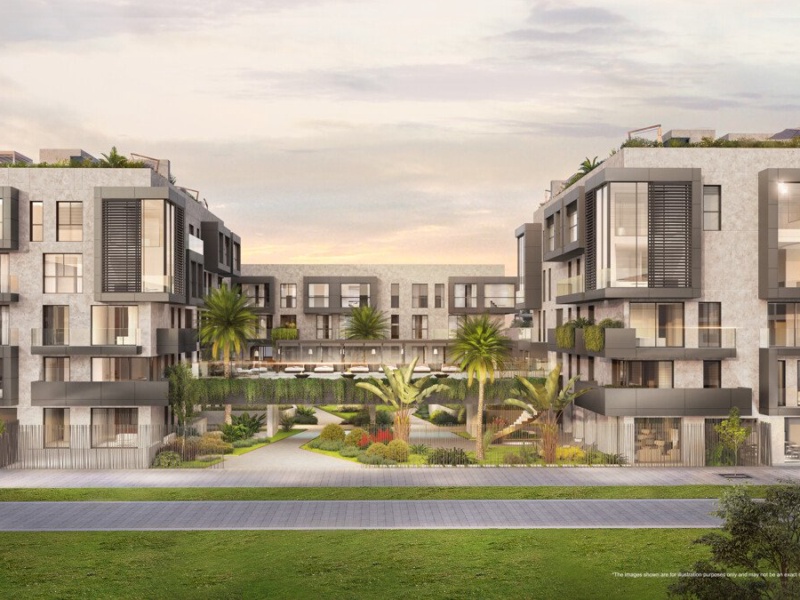
Exclusive Penthouse in Palma with Pool, Gym, Golf Simulator, Cinema, Spa & Shared Boat
Palma de Mallorca
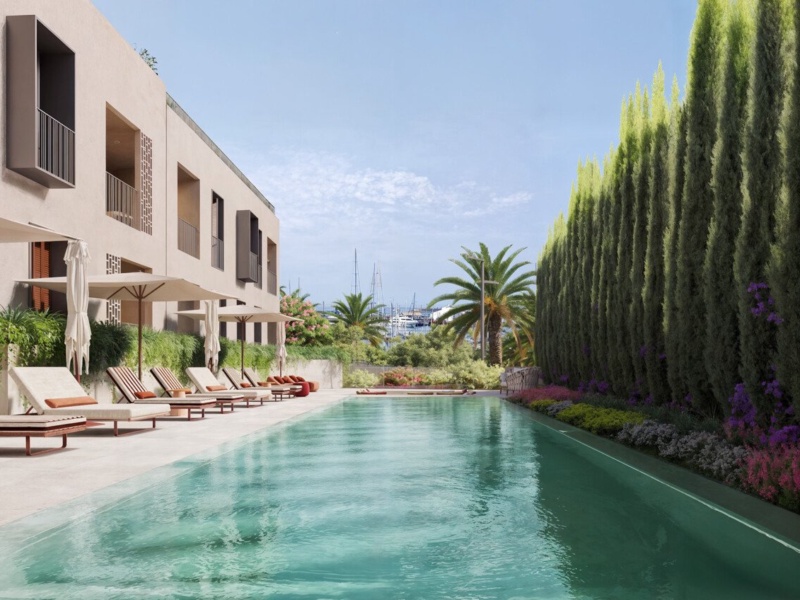
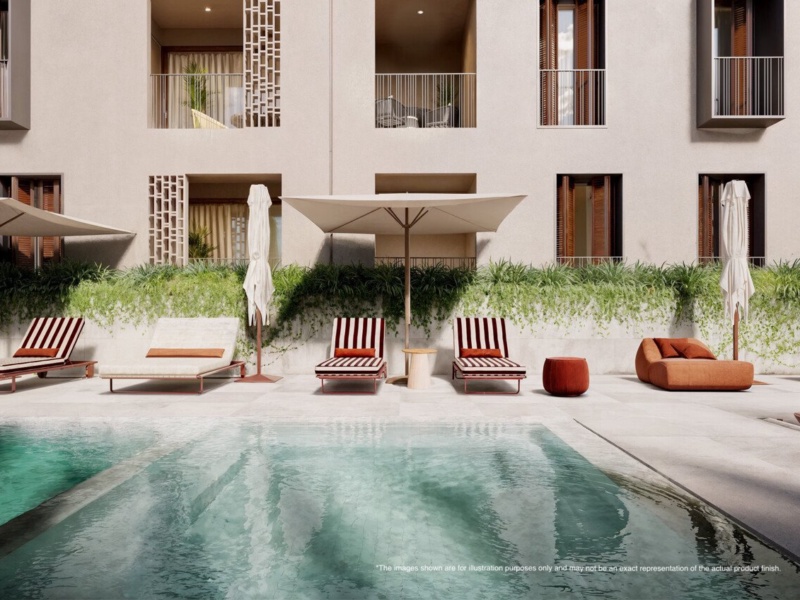
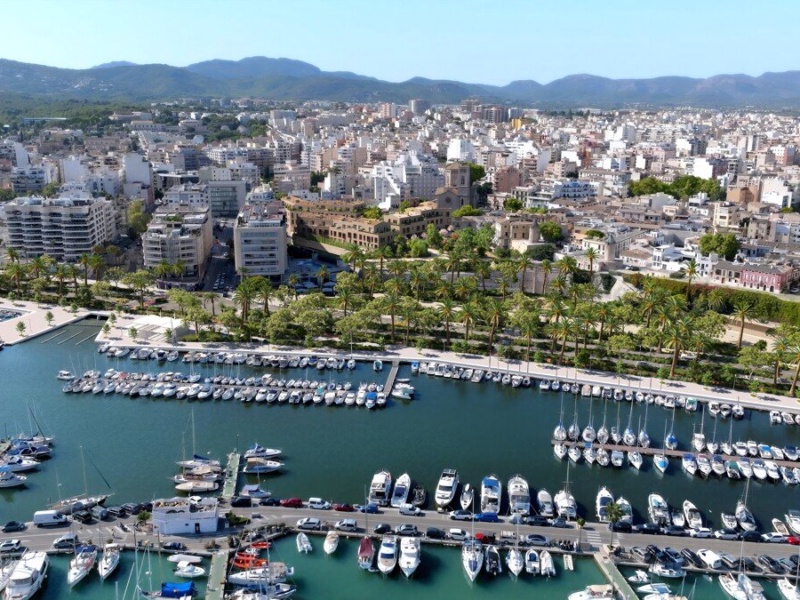
XO JONQUET – The Park Residences New-Build Apartment on the Paseo Marítimo with Pool, Lift, Gym, Spa, Cinema, A+
Palma de Mallorca
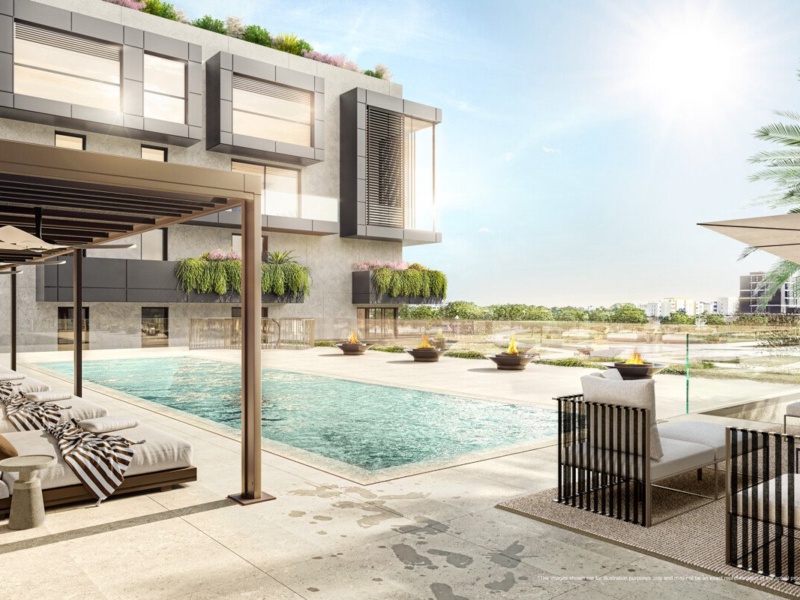
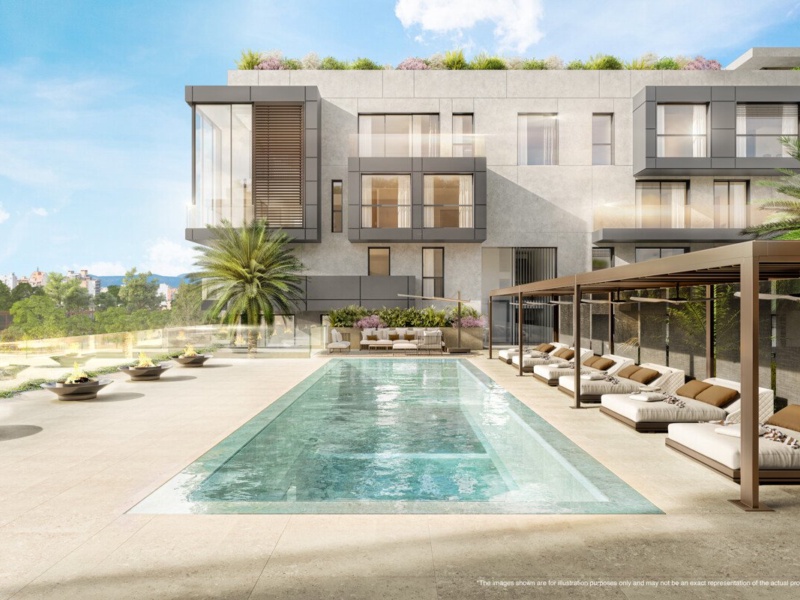
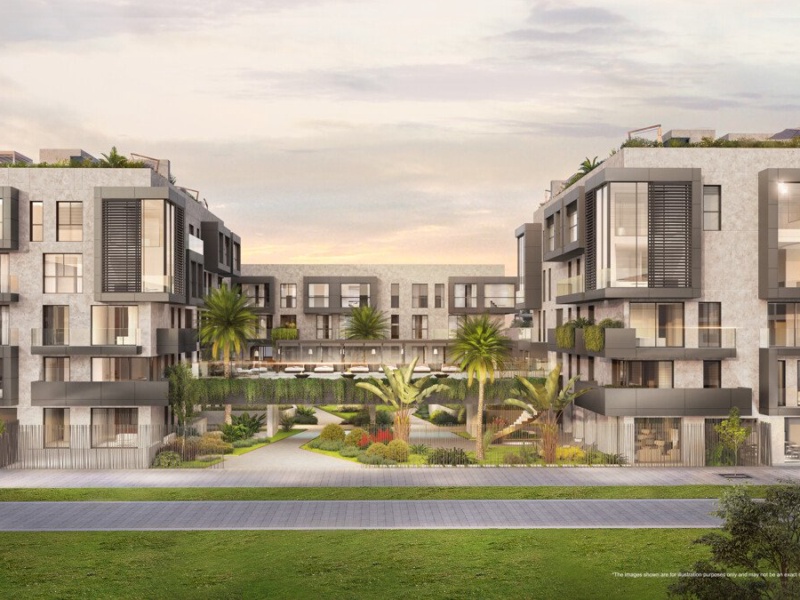
Exclusive 3-Room Apartment in Palma with Pool, Gym, Golf Simulator, Cinema, Spa & Communal Boat
Palma de Mallorca
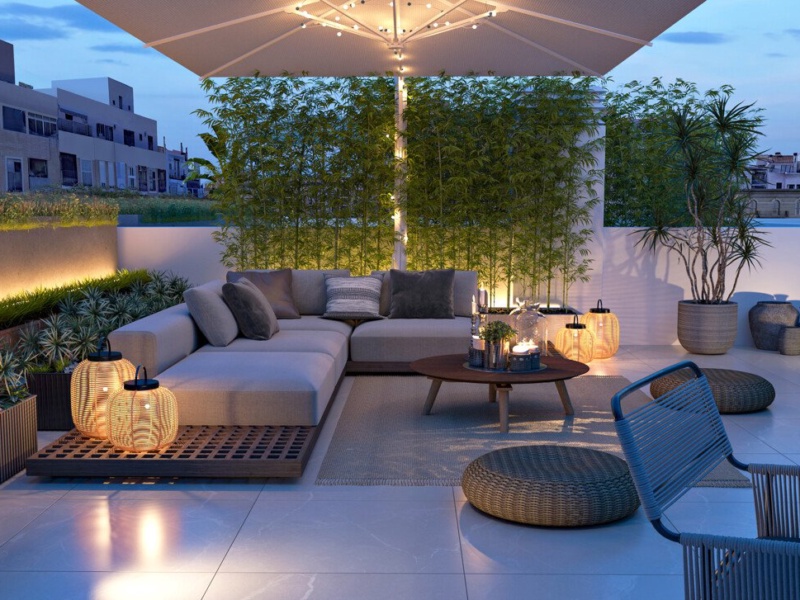
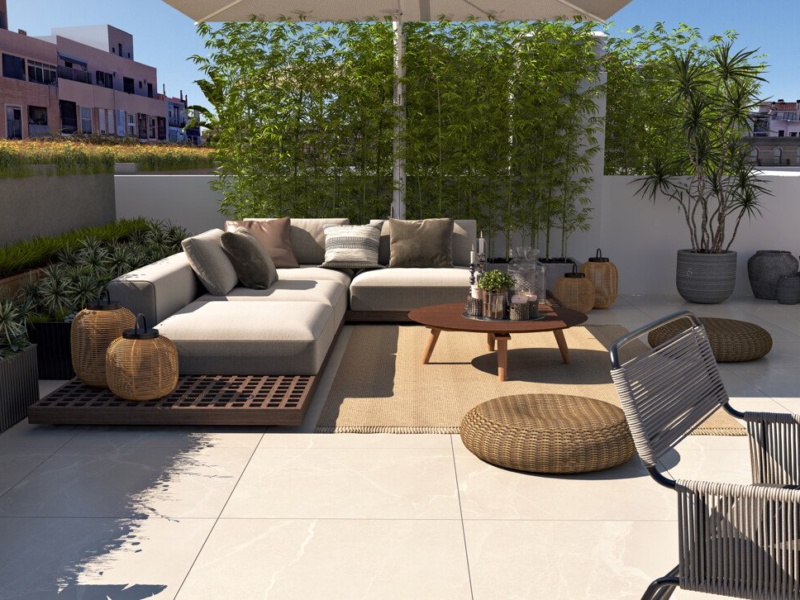
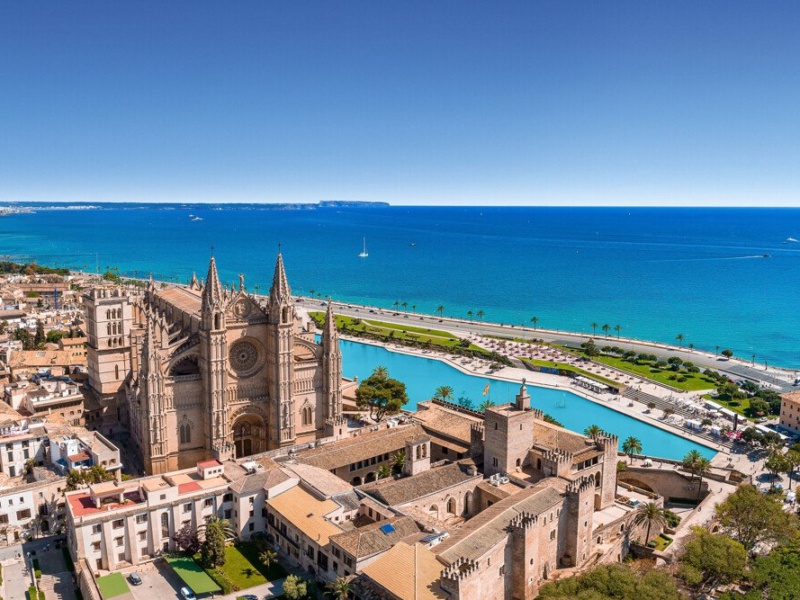
Modern new-build penthouse in the centre of Palma de Mallorca. Completion scheduled for approximately March 2028
Palma de Mallorca
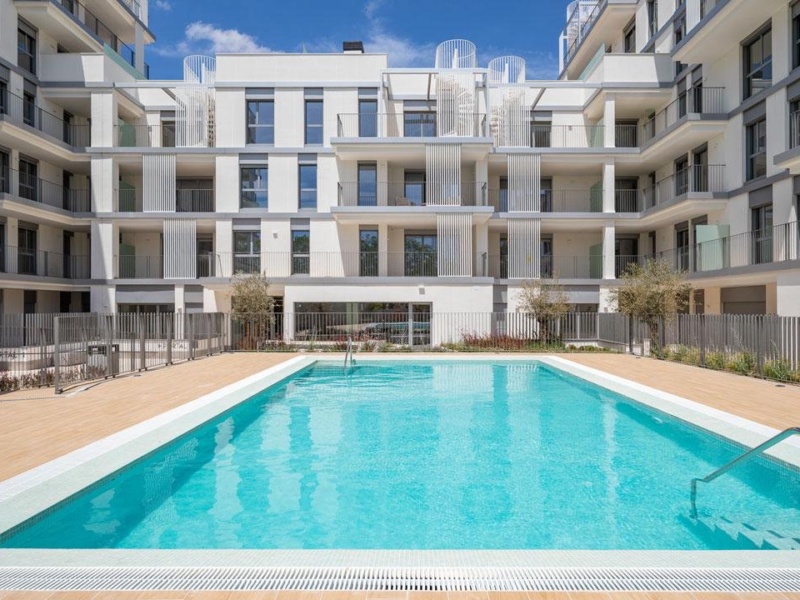
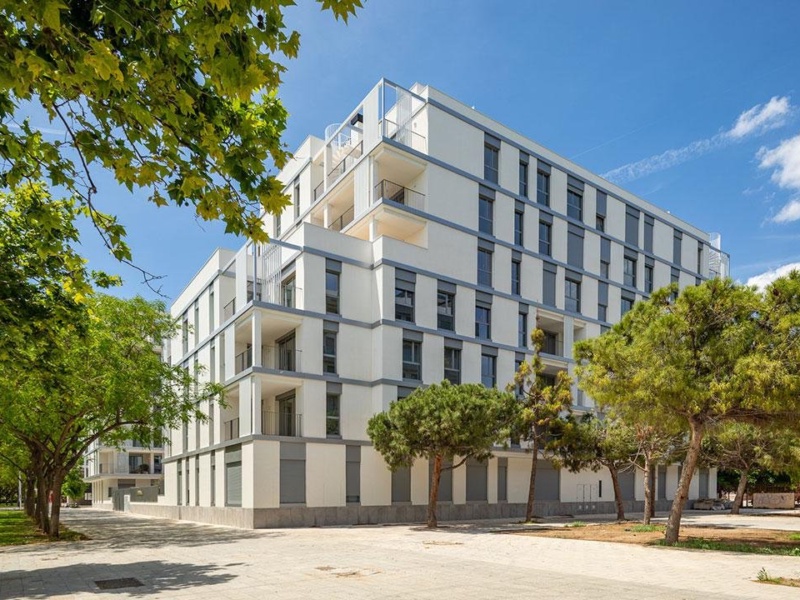
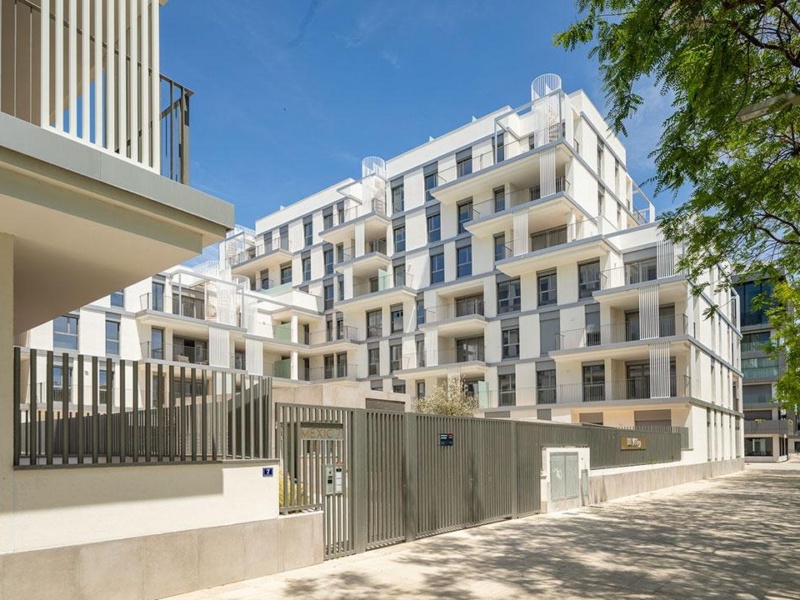
Exclusive Apartment with Sea Views in Palma de Mallorca
Palma de Mallorca
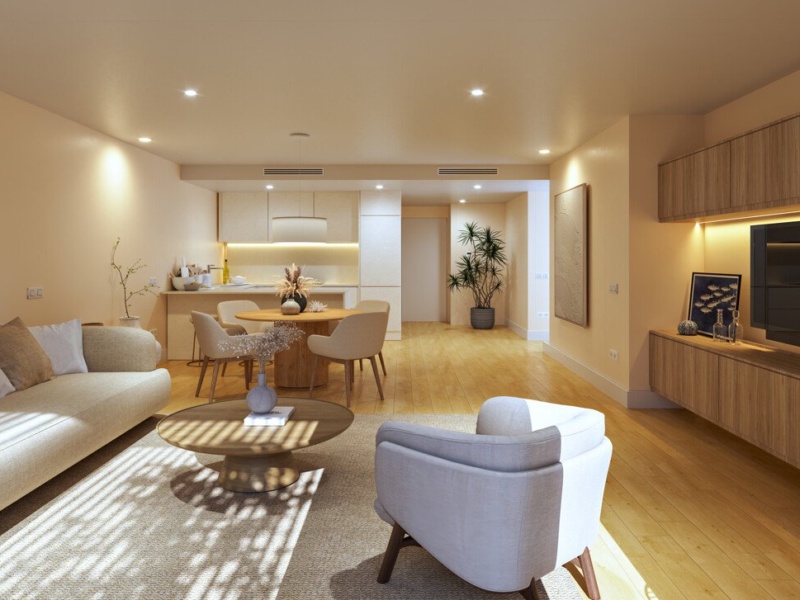
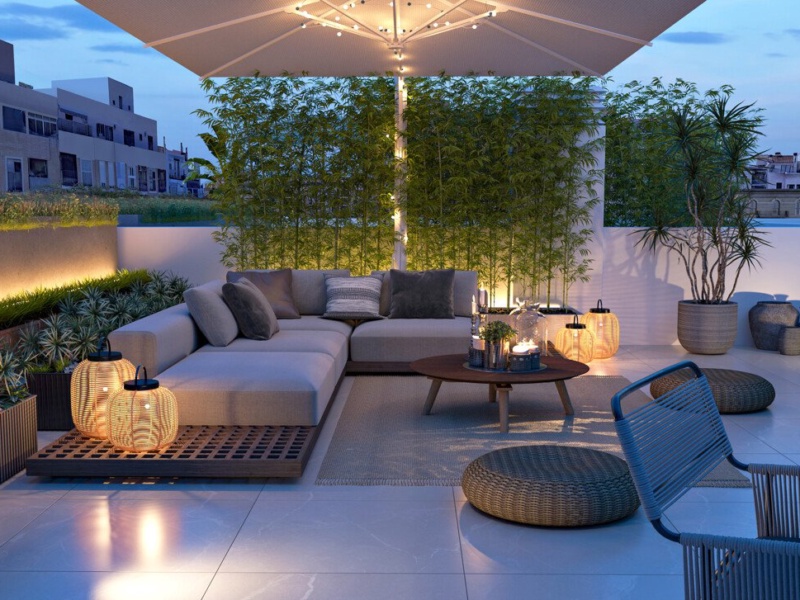
Modern New-Build Apartment with Terrace in the Centre of Palma de Mallorca – Completion March 2028
Palma de Mallorca
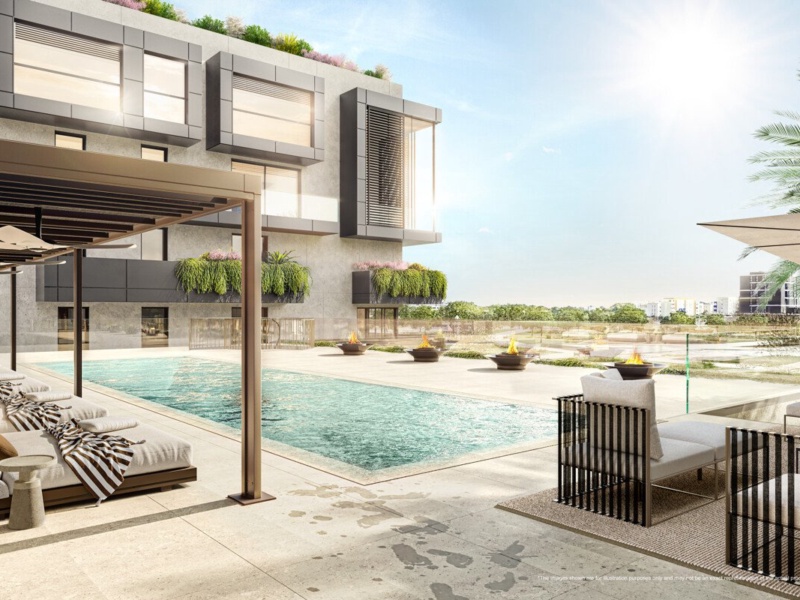
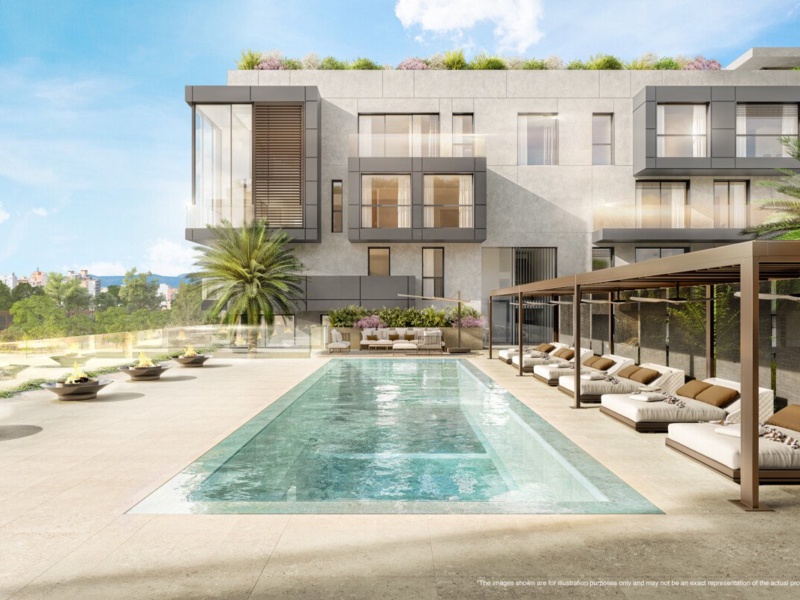
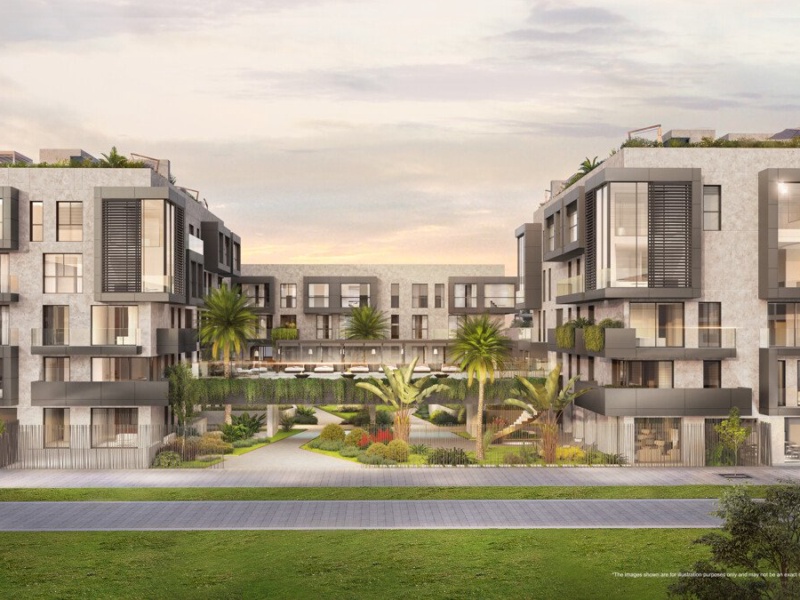
New development in Palma with pool, lift, gym, golf simulator, cinema, spa & communal boat
Palma de Mallorca
Sale prices in Palma de Mallorca
Actual sales from the tax returns filed on property purchases (ATIB), average 2025. Not asking prices.
- Average sale price per m² 2025
- €3,622/m²
- Average sale price
- €459,000
- Sales 2025
- 3,504
Municipality of Palma: sale price per m², 2010 to 2025
Municipal boundaries: ICGIB-ign.es (Institut Cartogràfic i Geogràfic de les Illes Balears / Instituto Geográfico Nacional), CC BY 4.0 · Source: Observatori de l'Habitatge de les Illes Balears (OHIB), Govern de les Illes Balears, based on data from the Agència Tributària de les Illes Balears (ATIB), CC BY 4.0
Palma de Mallorca — Urban Living with Mediterranean Flair

Author: Klaudia Wolf Reviewed by Matthias Thomas
Palma de Mallorca is much more than the capital of the Balearic Islands — it is a vibrant metropolis that uniquely combines history, culture, gastronomy, and Mediterranean lifestyle. With around 420,000 inhabitants, Palma is the economic, cultural, and social center of Mallorca. For property buyers, the city offers a spectrum ranging from historic old town palaces to modern lofts and elegant sea view apartments — providing a variety that no other place on the island can offer.
Location, Character, and History
Palma is located on the wide bay on Mallorca’s south coast, the Badia de Palma, and covers an area of around 209 square kilometers. The city is the center of island life: here you will find the international airport Son Sant Joan, the main port with a cruise terminal, the University of the Balearic Islands, the main hospitals and cultural institutions, as well as much of the administration.
Over 2,000 Years of History
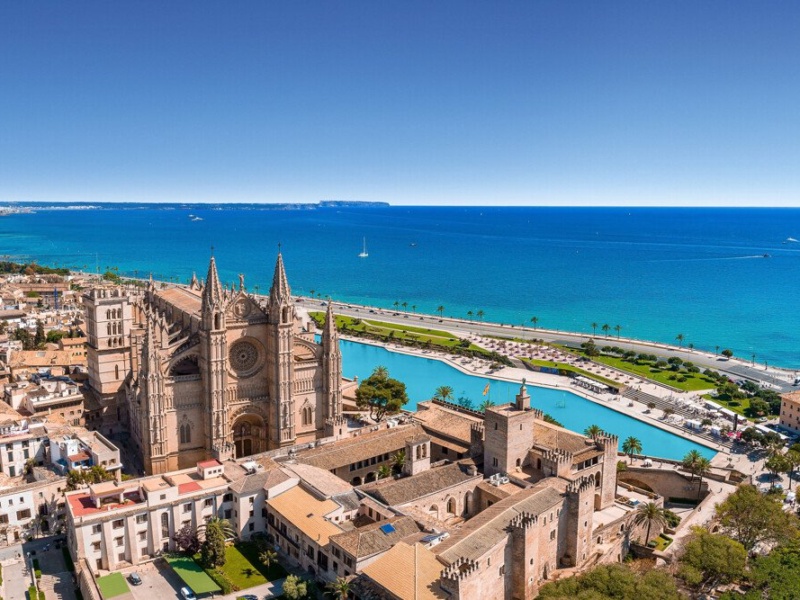
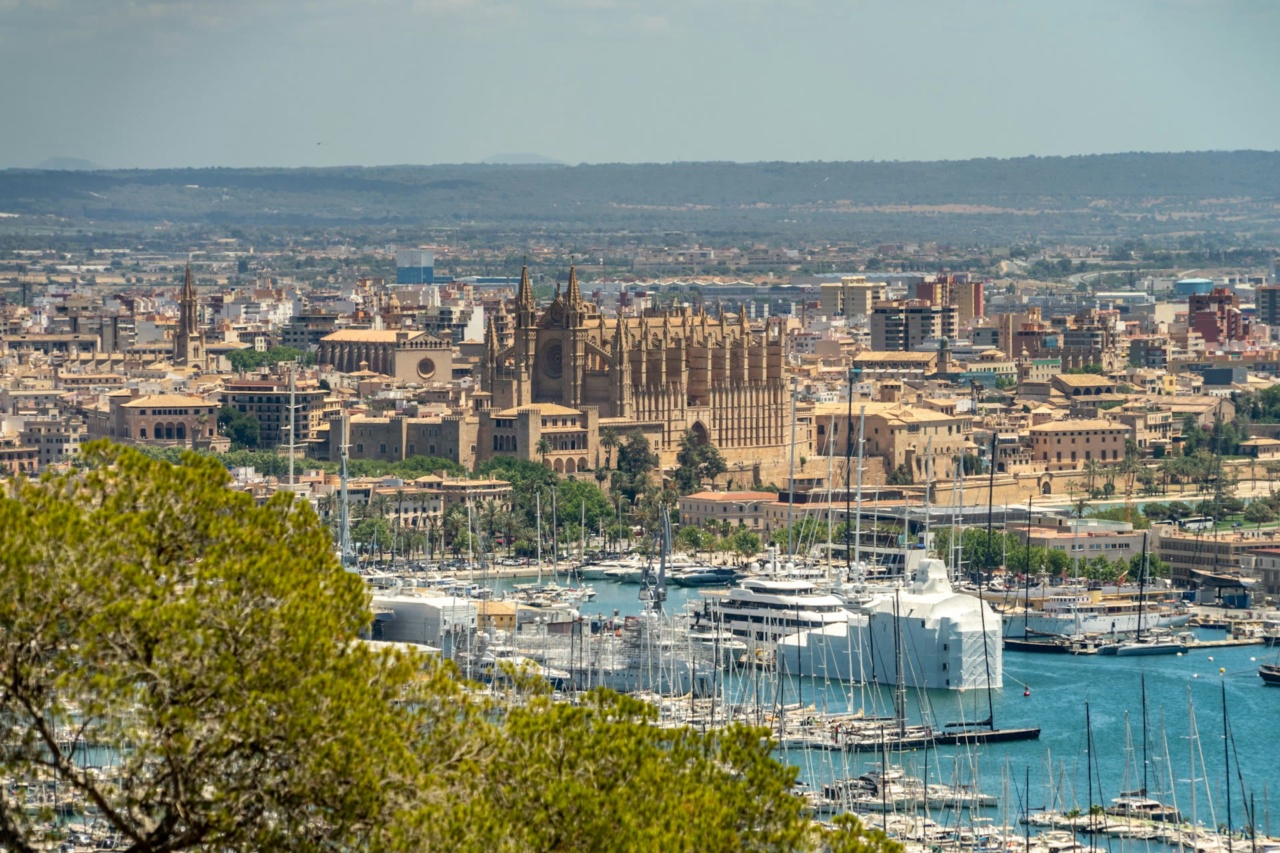
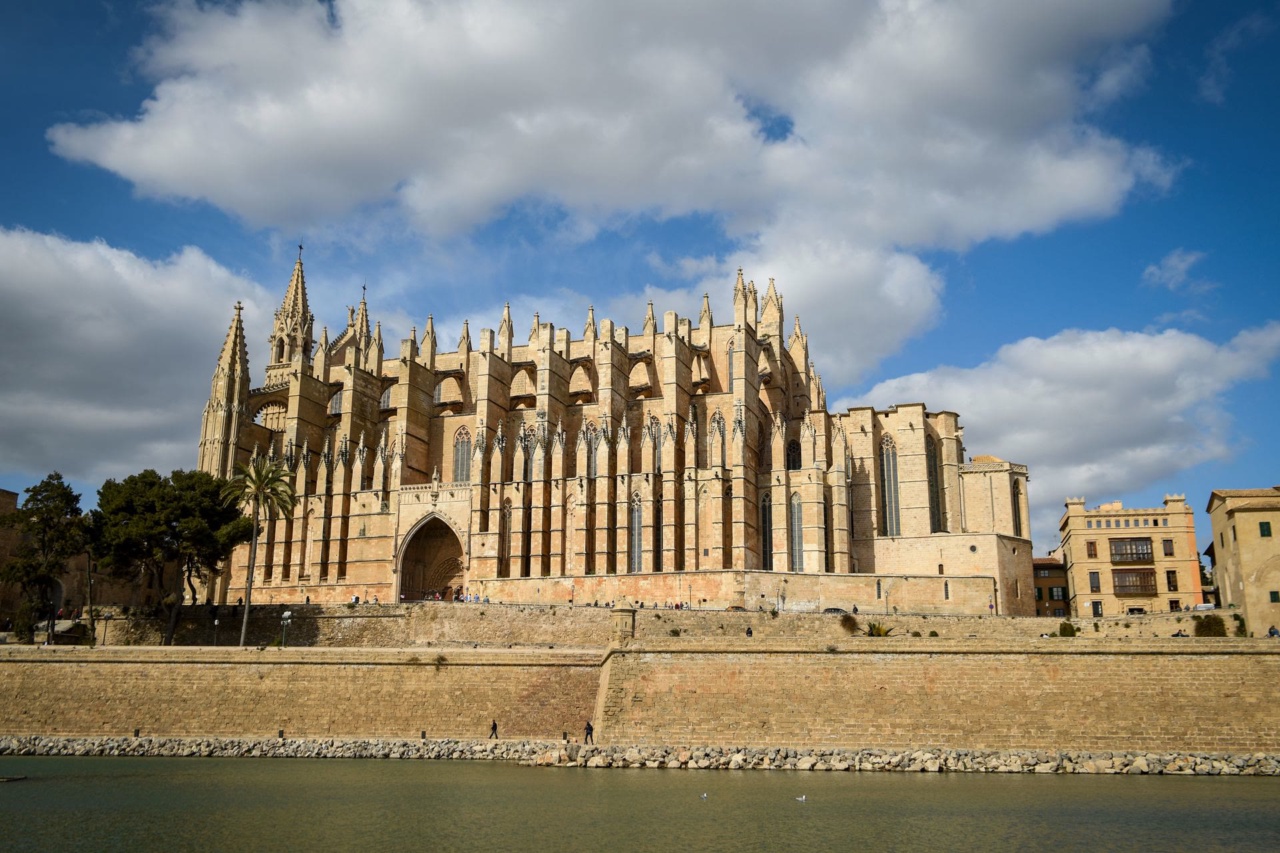
Palma’s history dates back to Roman times. In 123 BC, the Roman consul Quintus Caecilius Metellus founded the city under the name Palmaria. Centuries of changing rule followed — Vandals, Byzantines, Moors, and finally the Crown of Aragon, which conquered Palma in 1229 under King Jaume I. Each era has left its mark: the cathedral La Seu, a masterpiece of Gothic architecture, dominates the old town skyline. The Almudaina Palace opposite the cathedral testifies to the Moorish past. In the winding alleys of the Casco Antiguo, magnificent courtyards (patios) hide behind inconspicuous facades — an architectural heritage unique worldwide.
Modern Palma
Over the past two decades, Palma has undergone a remarkable transformation. The old town has been carefully restored, and new districts such as Santa Catalina and El Molinar have evolved from simple working-class neighborhoods into the trendiest districts on the island. Today, Palma combines the authenticity of a mature Mediterranean city with the internationality of a European metropolis — offering restaurants, boutiques, and cultural events that surpass cities of comparable size on the mainland.
The Real Estate Market in Palma
The real estate market in Palma is the largest and most diverse on the entire island. The city offers properties in practically every category, size, and price range — from student studios to million-euro penthouses with cathedral views. This variety makes Palma attractive to a broad spectrum of buyers.
Old Town Palaces and Historic Apartments
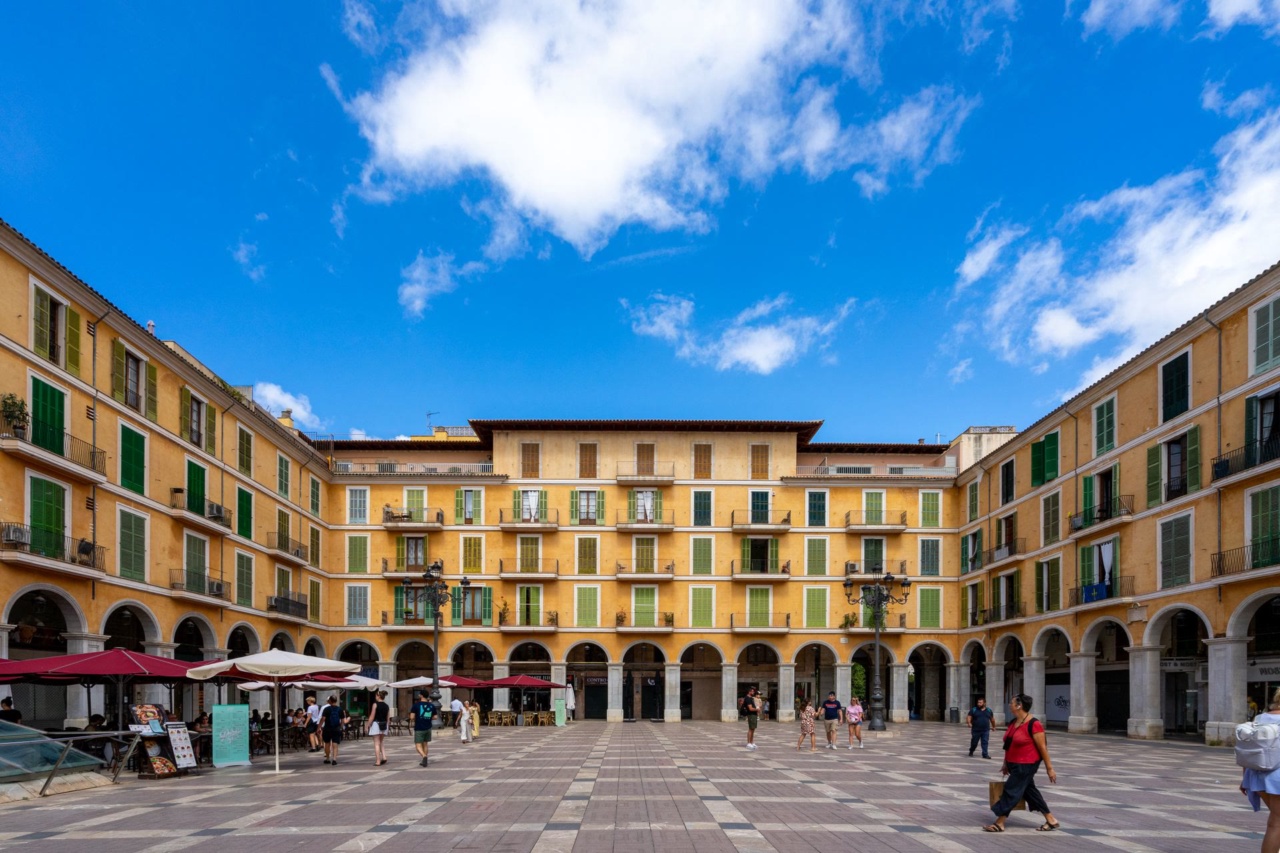
The old town (Casco Antiguo) is the heart of Palma’s real estate market. Here you find historic townhouses with centuries-old facades, behind which spacious apartments with high ceilings, natural stone walls, and typical Mallorcan courtyards are hidden. Many of these buildings have been extensively restored in recent years, combining historic charm with modern comfort. Prices vary greatly depending on condition, location, and amenities. Fully renovated old town apartments with 100 to 200 square meters of living space cost between 600,000 and 2 million euros. Entire palaces, often usable as multi-family houses or boutique hotels, reach prices from 3 to 10 million euros and above.
Santa Catalina and Trendy Districts
Santa Catalina, the former fishing and market district west of the old town, has become the most popular residential area for international buyers. The mix of historic buildings, trendy restaurants, the famous Mercat de Santa Catalina, and proximity to the sea makes the district unique. Typical properties are renovated apartments in old buildings with 80 to 150 square meters. Prices range between 400,000 and 1.2 million euros. Similar up-and-coming districts include El Terreno above the harbor, La Lonja directly on the harbor promenade, and El Molinar east of the old town, a former fishing village gaining popularity.
Modern Residential Complexes and New Builds
In Palma’s outskirts and along the coast, new residential projects with contemporary architecture are regularly developed. Especially along the Paseo Marítimo, the waterfront promenade, there are modern apartment complexes with sea views, underground parking, communal pools, and concierge services. These new builds target buyers who value modern design, energy efficiency, and an urban lifestyle. Prices start at around 350,000 euros for compact two-room apartments and can exceed the 3-million mark for penthouses with panoramic sea views.
Townhouses and Terraced Houses
In established residential neighborhoods such as Son Espanyolet, Son Armadams, or Son Rapinya, there are townhouses and terraced houses particularly popular with families. These districts offer a quieter living atmosphere than the old town but are still centrally located. Prices for townhouses with gardens range between 500,000 and 1.5 million euros.
Price Levels and Value Development
Palma is the most expensive real estate location on Mallorca — measured by average price per square meter. Average square meter prices vary greatly by district: in the old town and Santa Catalina, 5,000 to 8,000 euros per square meter are asked, in top locations such as La Lonja or on the Paseo Marítimo even over 10,000 euros. In peripheral districts like Son Ferriol or Son Gotleu, prices are significantly lower, starting at about 2,500 euros per square meter.
The value development in Palma has been exceptional over the past ten years. Between 2015 and 2025, prices in sought-after districts rose by an average of 8 to 12 percent per year. Santa Catalina experienced a value increase of over 100 percent in this period. Even during the COVID-19 pandemic, Palma saw no significant price decline — demand remained consistently high due to international buyers who appreciated the city’s lifestyle.
The drivers of this development are Palma’s increasing international appeal as a place to live and work, the limited availability of properties in sought-after districts, and the general upgrading of the city through investments in infrastructure, culture, and gastronomy.
Neighboring Towns and Surroundings
Palma is centrally located on the south coast and offers quick access to the island’s most attractive regions. To the southwest, exclusive coastal towns line up: Portals Nous and Puerto Portals (15 minutes), El Toro with the designer harbor Port Adriano (20 minutes), Camp de Mar (25 minutes), Port d'Andratx (30 minutes), and the tranquil Sant Elm (40 minutes).
East of Palma stretch the holiday resorts of Playa de Palma and Arenal. North of the city begins the Serra de Tramuntana, the UNESCO World Heritage mountain range, which hosts some of the Mediterranean’s most beautiful villages such as Valldemossa, Deià, and Sóller. This combination of urban life and quick access to nature and coast makes Palma the most versatile place to live on the island.
Beaches and Bays
City Beaches
Palma has several city-near beaches that are easily accessible. Can Pere Antoni, located directly below the cathedral and the Paseo Marítimo, is the most central city beach. It offers a narrow strip of sand with views of the bay and the cathedral — a unique panorama. In Ciudad Jardín, east of the center, there is a wide sandy beach with shallow water and upscale gastronomy. The city beach of El Molinar is popular with locals and offers an authentic, unpretentious atmosphere.
Playa de Palma
East of the center, the Playa de Palma stretches for almost five kilometers — one of Mallorca’s longest sandy beaches. This beach offers fine sand, a continuous promenade with a bike path, numerous beach bars (balnearios), and excellent water quality. Playa de Palma is conveniently reachable by bus from the city center.
Bays in the West
West of Palma, towards Portals Nous and Calvià, are some of the region’s most beautiful bays: Cala Major with the Marivent Royal Palace in the background, Illetes with Caribbean-like turquoise water, and Portals Vells with its caves and pine forests.
Leisure and Quality of Life
Gastronomy and Nightlife
Palma offers one of the best gastronomy scenes in the entire Mediterranean region. The city is home to several Michelin-starred restaurants, including DINS Santi Taura and Adrián Quetglas. In addition, there are hundreds of restaurants of all cuisines and price ranges — from traditional Mallorcan cellars to Japanese izakayas to Peruvian ceviche bars. Santa Catalina is the culinary center with the highest density of restaurants. Nightlife is concentrated in La Lonja, the Paseo Marítimo, and Santa Catalina, where cocktail bars, rooftop terraces, and live music venues offer a diverse range.
Culture and Art
Palma is a cultural center of European rank. The cathedral La Seu, the Es Baluard Museum of Contemporary Art, the Pilar and Joan Miró Foundation, and the CaixaForum are just some of the main cultural institutions. The Teatre Principal and the Auditorium offer opera, concerts, and theater performances year-round. Galleries in the old town and Santa Catalina regularly exhibit international and local artists. In recent years, Palma has also established itself as a hotspot for design and architecture.
Shopping and Markets
Shopping opportunities in Palma range from international brands on Passeig del Born — the city’s promenade — to individual boutiques in the old town and large shopping centers such as Fan Mallorca and Porto Pi. Traditional markets are a special experience: the Mercat de l'Olivar in the city center and the Mercat de Santa Catalina offer fresh food, delicacies, and an authentic Mallorcan market atmosphere.
Infrastructure and Everyday Life
As the capital, Palma offers the most comprehensive infrastructure on the entire island. Here you find everything needed for a comfortable daily life — and far beyond.
Medical Care
Palma has several public and private hospitals, including the University Hospital Son Espases, one of the largest in the Mediterranean region. Private clinics such as Clínica Rotger, Hospital Quirónsalud Palmaplanas, and Clínica Juaneda offer specialized treatments at an international level, with German-, English-, and French-speaking staff. Additionally, there are numerous specialists, dentists, and therapists throughout the city.
Schools and Education
Palma offers the widest educational range on the island. International schools include Eurocampus German School, Deutsche Schule Palma, Bellver International College (British), Lycée Français, and others. The Universitat de les Illes Balears (UIB) in the north of the city offers bachelor’s and master’s degrees in numerous disciplines. International distance universities have also established presence offices in Palma.
Connections and Mobility
Son Sant Joan Airport, only 8 kilometers east of the center, connects Palma with over 150 destinations throughout Europe and beyond. In the high season, there are direct connections to practically every major city in Germany, Austria, and Switzerland. The city itself has a well-developed bus network (EMT), a metro line, and a growing network of bike paths. In the center and many residential districts, daily life can be easily managed on foot or by bike — a luxury most other places on Mallorca do not offer.
Climate and Best Travel Time
Palma enjoys a pronounced Mediterranean climate with over 300 days of sunshine per year. Summers are hot and dry (June to September, average temperatures 28-32 degrees Celsius), winters mild and occasionally rainy (December to February, 10-15 degrees Celsius). The sea temperature reaches up to 27 degrees in August and rarely falls below 14 degrees in winter.
The most pleasant months are April, May, June, September, and October — with temperatures around 20 to 26 degrees, moderate tourist numbers, and a cultural program running at full speed year-round. Unlike smaller coastal towns, Palma is lively even in winter and offers a full program of restaurants, events, and leisure activities.
Holiday Rentals and Rental Potential
Holiday rentals in Palma are subject to strict regulations. Since 2018, short-term holiday rentals of apartments in multi-family houses throughout the city area have been generally prohibited. Rental of single-family houses (chalets, villas, detached houses) with a valid tourism license remains permitted. This restriction has noticeably changed the market: apartments are increasingly purchased for long-term rental or owner occupation.
Long-Term Rentals
Long-term rentals are extremely lucrative in Palma. The city records one of the highest rental demands in Spain — driven by the influx of international professionals, digital nomads, and students. Monthly rents for modern two-room apartments in sought-after districts range from 1,500 to 2,500 euros, for larger apartments or penthouses from 3,000 to 6,000 euros. Long-term rental yields are 3 to 5 percent gross, with the combination of rental income and value appreciation significantly increasing the total return.
Rental of Chalets and Villas
For owners of single-family houses in the city area or nearby hills, holiday rentals with a valid license remain an option. Achievable rental prices are high — villas with pools and sea views reach 5,000 to 15,000 euros per week in the high season. Occupancy is better than in pure holiday resorts due to Palma’s year-round attractiveness.
Palma as an Investment
Palma is the safest and most liquid real estate market on Mallorca. The city offers the highest transaction density, the broadest buyer base, and the least dependence on seasonal fluctuations. For investors who value stability, rentability, and diversification, Palma is the first choice.
Value-Enhancing Factors
Palma benefits from several long-term trends: the city is gaining importance as a place to live and work for international professionals and entrepreneurs. Infrastructure investments in recent years — from the renovation of the old town to the expansion of the bike path network to the modernization of public transport — have noticeably improved quality of life. The strict regulation of holiday rentals has paradoxically increased purchase demand, as investors increasingly focus on long-term rentals and value appreciation.
Risks and Market Dynamics
It is important to note the increasing political discussion about housing regulation. The Balearic regional government has discussed several measures in recent years to limit rent prices and restrict property purchases by non-residents. So far, no far-reaching restrictions have been implemented, but the dynamics should be monitored. In addition, prices in some districts are already at a level that reduces achievable rental yields. Careful location and property selection is therefore crucial.
Your Property Purchase with Thomas Mallorca
The real estate market in Palma is complex and dynamic. As an experienced broker specializing in southwest Mallorca and the capital, we provide expert advice on selecting the right district, evaluating properties, and assessing development potential. Our network includes notaries, tax advisors, architects, and financing partners who smoothly accompany the purchase process.
Whether you are looking for a historic old town gem, a modern penthouse by the sea, or a city villa as an investment — we find the right property in Palma for you. Arrange a non-binding consultation and discover what Palma de Mallorca has to offer.
Frequently Asked Questions
Palma is the only true metropolis of the Balearic Islands and offers a variety that no other place in Mallorca can match: from historic old town palaces to trendy lofts in Santa Catalina to modern sea view penthouses on the Paseo Marítimo. In addition, there are first-class gastronomy, culture, shopping, and infrastructure at an international metropolitan level.
The old town (Casco Antiguo) offers historic palaces and apartments with courtyards. Santa Catalina is the most popular district for international buyers with trendy gastronomy. La Lonja and the Paseo Marítimo offer proximity to the harbor and sea views. Son Espanyolet and Son Armadams are quiet family areas. El Molinar is currently developing as an up-and-coming neighborhood.
The price per square meter varies greatly: in the old town and Santa Catalina 5,000 to 8,000 euros, on the Paseo Marítimo over 10,000 euros, in outer districts from 2,500 euros. Old town apartments cost 600,000 to 2 million euros, entire palaces 3 to 10 million euros. Modern penthouses by the sea reach 3 million euros and more.
In Palma, short-term holiday rentals of apartments in multi-family houses have been generally prohibited since 2018. Rental of single-family homes with a valid tourism license remains permitted. Long-term rentals, on the other hand, are very lucrative — Palma has one of the highest rental demands in Spain.
Palma offers the most comprehensive infrastructure on the island: several international schools (Eurocampus Deutsche Schule, Bellver International College, Lycée Français), first-class clinics with multilingual staff (Clínica Rotger, Quirónsalud), the international airport with over 150 destinations, and a well-developed public transport network.
Palma is a cultural center of European stature: the Gothic cathedral La Seu, the Es Baluard Museum of Contemporary Art, the Fundació Miró, several Michelin-starred restaurants, the historic Mercat de l'Olivar, boutiques on Passeig del Born, and a year-round program of theater, concerts, and exhibitions.
Palma is the most dynamic real estate market in Mallorca. In the sought-after districts, prices have risen by 8 to 12 percent annually between 2015 and 2025 — Santa Catalina has experienced over 100 percent appreciation during this period. Drivers are the increasing international attractiveness as a place to live and work and the limited supply.
Contact your estate agent in Palma de Mallorca
We advise you personally on property in Palma de Mallorca: by phone, WhatsApp, email or at our office on the harbour in Port Andratx.
Thomas Mallorca Real Estate
Carrer de Isaac Peral, 50, 07157 Port d'Andratx
Mon–Fri 10am–6pm, Sat 10am–4pm
5.0 · Google reviewsSince 1990 · Registered agent (ROAIIB)