Townhouses for Sale in Mallorca
Charming townhouses in the historic old towns and popular residential areas of Mallorca.
- Our properties for sale
- 2
- Price range
- €2,475,000 – €2,980,000
Our figures: properties for sale on thomasmallorca.com, as of October 28, 2026.
2 properties
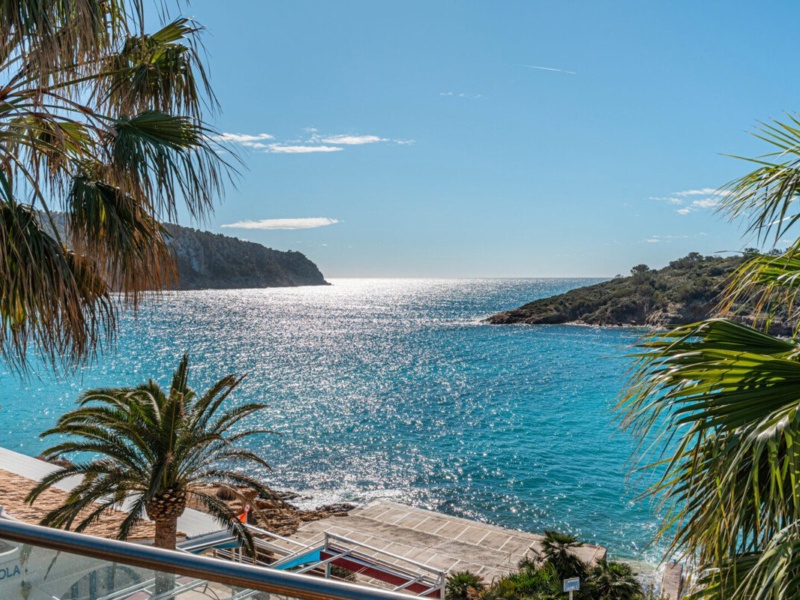
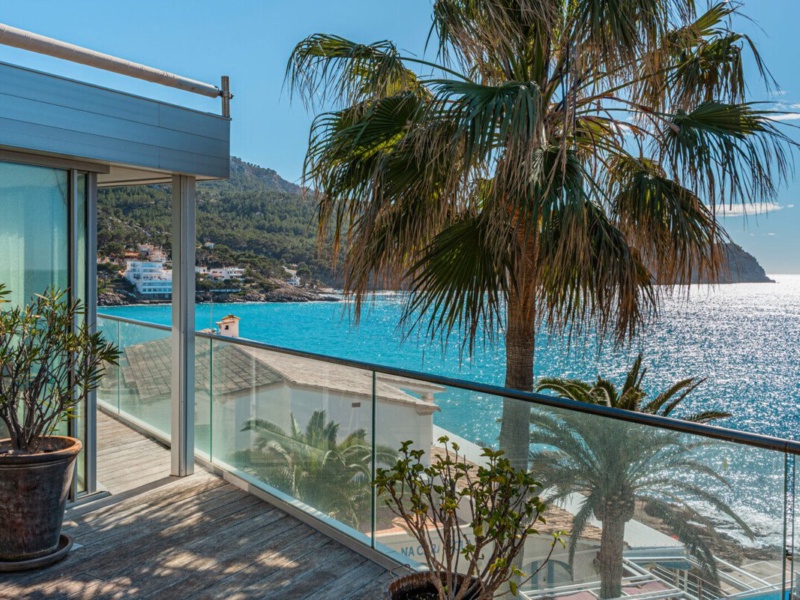
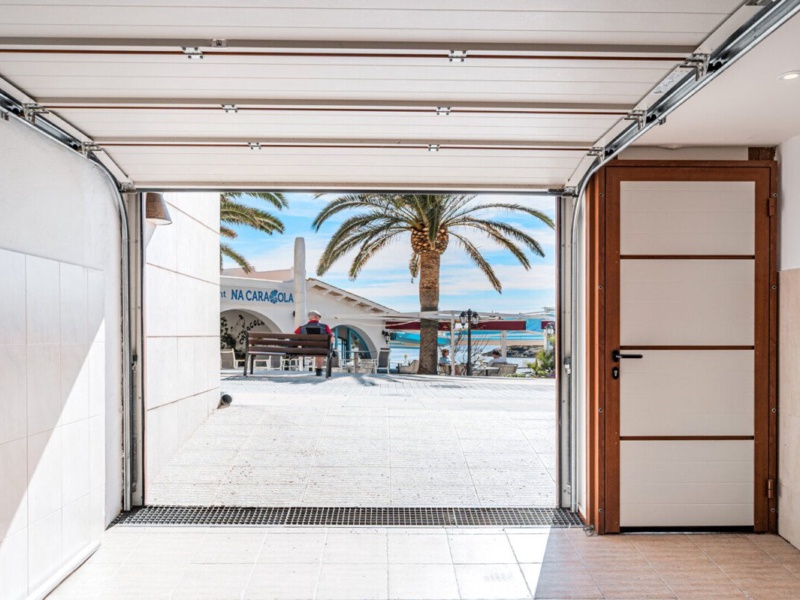
Historic Charm Meets Mediterranean Flair


Author: Klaudia Wolf Reviewed by Matthias Thomas
A townhouse in Mallorca uniquely combines history, character, and a central location. Traditional townhouses – in Spanish „casa de pueblo" or „casa adosada" – have shaped the image of Mallorcan old towns for centuries and are among the island's most fascinating property types. Behind the narrow, often unassuming facades lie surprisingly spacious rooms, light-filled courtyards, and architecture that has endured for generations. Anyone looking to buy a townhouse in Mallorca acquires far more than square meters – it is a piece of living island history with the potential for contemporary, stylish living.
What Makes a Mallorcan Townhouse So Special?
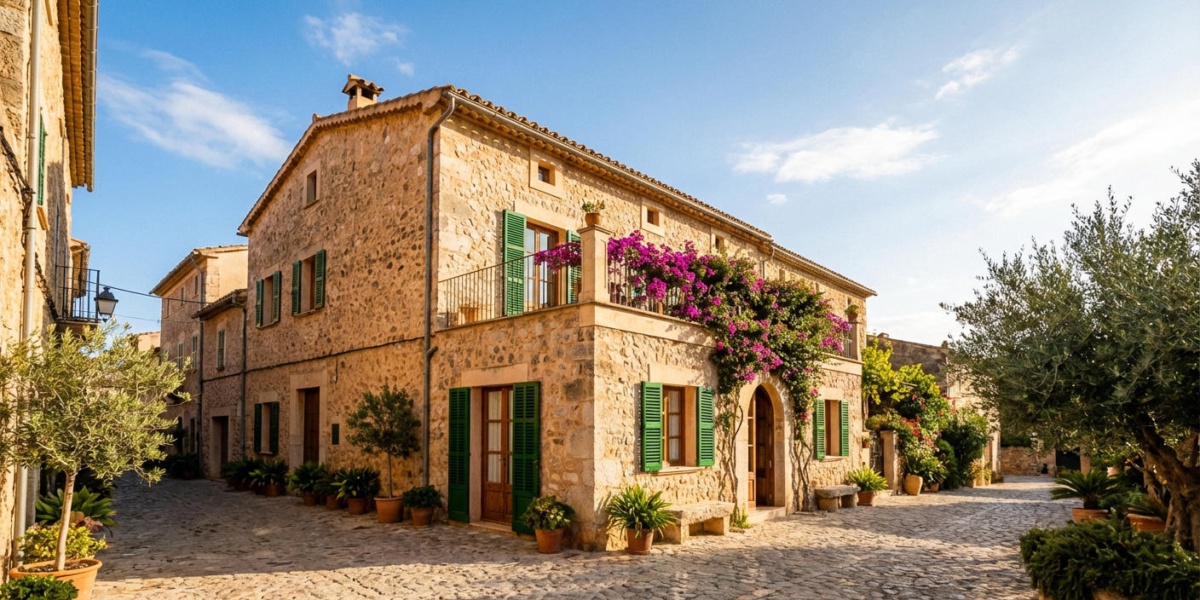
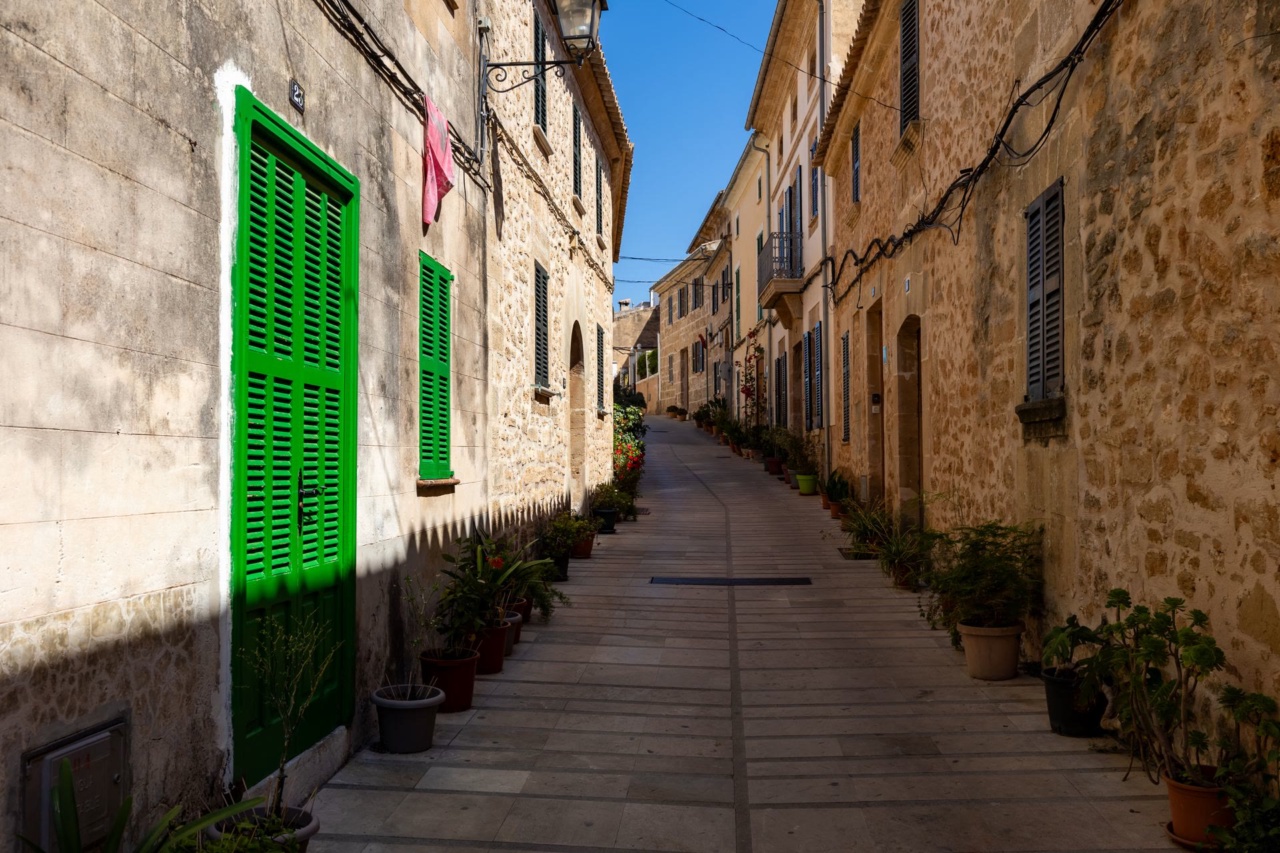
Townhouses in Mallorca differ fundamentally from what is understood as a townhouse in Central Europe. Their architecture has been adapted over centuries to the Mediterranean climate and dense urban development.
Architectural Features
- Narrow Facade, Deep Floor Plans: Mallorcan townhouses typically have a narrow street frontage of 4 to 8 meters but often extend 15 to 25 meters deep. This construction method maximizes usable space with minimal street consumption – an urban planning principle that has been in place since the Middle Ages.
- Courtyard (Patio): The heart of many townhouses is the courtyard – an open-top space that brings light and air into the building's interior. Patios are often designed with plants, fountains, and terracotta tiles and serve as a private retreat and natural air conditioner. In the summer months, the chimney effect naturally cools the adjacent rooms.
- High Ceilings: Ceiling heights of 3 to 4 meters are the norm for townhouses, even more so in stately homes. They provide a sense of spaciousness and support natural ventilation.
- Natural Stone Walls: The load-bearing walls are made of the sandstone typical for Mallorca (Piedra de Marés). The massive walls offer excellent natural insulation – cool in summer, warm in winter.
- Wooden Beam Ceilings: Visible ceiling beams made of pine or olive wood are a defining stylistic element that is deliberately preserved and highlighted during renovations.
- Original Floors: Hydraulic cement tiles (baldosas hidráulicas) with intricate patterns, terracotta floors, or natural stone slabs – the historic floor coverings lend individual character to every room.
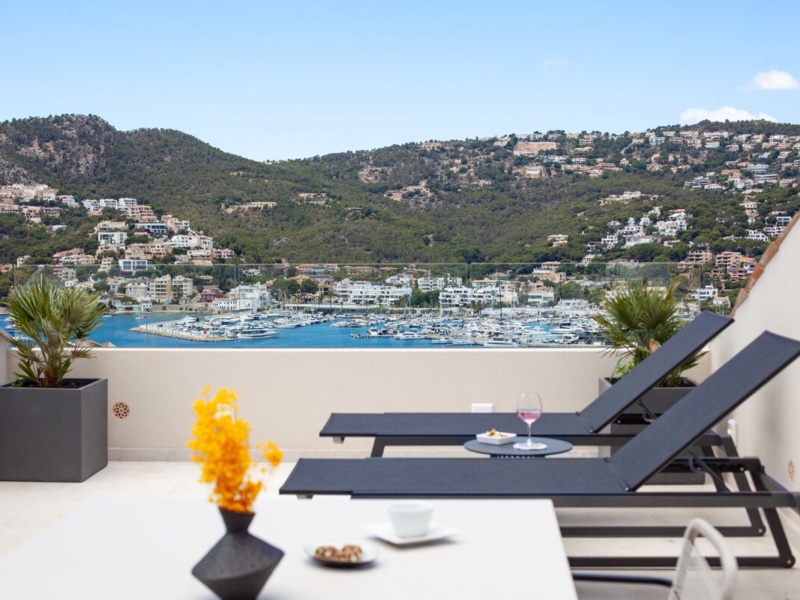
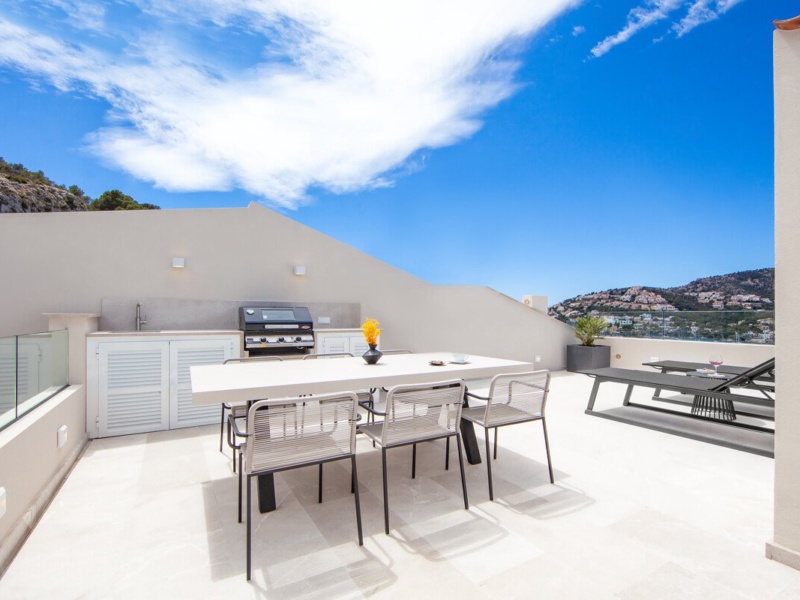
- Rooftop Terrace: Many townhouses have a walkable rooftop terrace (azotea) with views over the old town rooftops, church towers, mountains, or, in some locations, even the sea.
- Two to Four Floors: Townhouses extend over several levels. The ground floor traditionally housed a shop, a workshop, or the entrance area with a patio. The upper floors served as living spaces, with the bedrooms at the very top and the "Sala" (reception room) on the first floor.
Historical Significance
Many townhouses in Mallorca have a history spanning centuries. In Palma, you can find city palaces (Palacios) from the 15th and 16th centuries that once belonged to the Mallorcan nobility. In the island's small towns, the townhouses reflect the economic and social history of their community – from humble artisan houses to the representative bourgeois homes of local large landowners.
The Best Locations for Townhouses in Mallorca
Townhouses can be found in almost every town on Mallorca. The most attractive locations offer a combination of historical ambiance, good infrastructure, and potential for value appreciation.
Palma de Mallorca
The old town of Palma is the prime address for townhouse buyers. Within an area of about one square kilometer, you'll find centuries-old city palaces, stately bourgeois houses, and charming smaller townhouses in a labyrinth of winding alleys. The proximity to the La Seu Cathedral, the Almudaina Royal Palace, and numerous museums, galleries, and restaurants makes life in Palma's old town a unique experience. Prices are accordingly high – Palma's old town is one of the most expensive townhouse locations on the island.
The adjacent neighborhoods of Santa Catalina, Es Jonquet, and El Terreno also offer interesting townhouse options in lively, urban environments.
Sóller
The mountain town in the Tramuntana Valley impresses with its unusually rich Art Nouveau architecture (Modernisme). The townhouses around Plaça de la Constitució and in the adjacent alleys combine Mallorcan tradition with Catalan Art Nouveau influence – ornate balconies, stained-glass windows, and opulent facades. The charm of Sóller, the historic tram to Port de Sóller, and its unique valley location make it a magnet for townhouse enthusiasts.
Artà
The medieval town in the northeast of Mallorca has developed into a hotspot for art and culture in recent years. Townhouses in Artà's winding alleys offer authentic Mallorcan ambiance at more moderate prices than in Palma or Sóller. The proximity to the Llevant Natural Park and the beaches of the east coast is an additional plus.
Santanyí
The elegant town in the southeast is considered one of the most beautiful on Mallorca. The townhouses here are made of the light sandstone typical of the region and exude timeless elegance. Santanyí has a lively international community, a famous weekly market, and a growing gastronomic scene. The proximity to the dream beaches of Es Trenc, Cala Mondragó, and Cala Figuera makes the town particularly attractive.
Pollença
The historic Pollença in the north of the island impresses with its monumental staircase to the Calvari hill, the Sunday market, and a vibrant cultural scene (Pollença Music Festival). Townhouses in the old town offer charm and character in an authentic Mallorcan environment. Prices are below Palma's level and offer good potential for value appreciation.
Other Attractive Locations
Felanitx, Manacor, Sineu, Alaró, Binissalem, and Campos also offer interesting townhouses – often at significantly lower prices than in the top locations. These places are ideal for buyers seeking authentic island life and willing to buy off the beaten path.
What Does a Townhouse in Mallorca Cost?
The price range for townhouses is enormous and depends primarily on location, size, and renovation status:
- Renovation Projects in Small Towns: from approx. 200,000 – 400,000 Euros
- Renovated Townhouses in Good Locations: 400,000 – 800,000 Euros
- High-Quality Renovated Houses in Top Locations (Santanyí, Artà, Sóller): 800,000 – 1,500,000 Euros
- Premium Townhouses in Palma's Old Town: 1,000,000 – 3,000,000 Euros
- Historic City Palaces in Palma: from 3,000,000 Euros upwards, in individual cases over 10,000,000 Euros
A significant price factor is the renovation status. Unrenovated townhouses can be 30 to 50 percent cheaper than comparable renovated properties – but offer the opportunity to design the house according to your own ideas. Renovation costs must, of course, be factored in.
The Purchase Process for Townhouses
The purchase process follows the Spanish standard (NIE, reservation, arras, notary deed), but with townhouses, there are some special points of inspection:
Building Law Specifics
Townhouses in historic town centers are often subject to the municipal development plan (Plan General de Ordenación Urbana), which includes regulations on facade design, building height, and materials. Larger conversions or attic extensions must comply with these requirements.
Monument Protection
Some townhouses – especially in Palma's old town – are listed buildings (Bien de Interés Cultural or Bien Catalogado). This can mean that the facade cannot be altered, certain materials must be used, and renovation measures require approval. A listed building is not necessarily a disadvantage – it can secure value in the long term – but it requires more planning and potentially higher renovation costs.
Floor Plan and Change of Use
Many townhouses have former commercial spaces (Lokale) on the ground floor. The conversion of commercial to residential space is generally possible but requires official approval and must comply with current habitability regulations (ceiling height, lighting, ventilation).
Neighboring Rights
With adjoining townhouses, there may be rights of overbuilding, shared walls (Medianería), and rights of light (Servidumbre de Luces). Your lawyer should check these aspects to avoid future conflicts.
Taxes and Ancillary Costs
The ancillary purchase costs correspond to the Mallorca standard of about 10 to 13 percent:
- Property Transfer Tax (ITP): 8 to 13 percent for existing properties
- Notary and Land Registry Fees: 1,000 to 2,500 Euros
- Legal Fees: 1 to 1.5 percent of the purchase price
Ongoing Costs
An advantage of townhouses: There are no community fees, as they are independent properties. However, you bear all maintenance costs yourself:
- Property Tax (IBI): 400 to 2,000 Euros annually
- Waste Disposal Fee: 100 to 300 Euros annually
- Insurance: 300 to 800 Euros annually
- Maintenance: Budget approximately 1 to 2 percent of the property value annually for ongoing maintenance and repairs – for historic buildings, rather at the upper end
- Electricity, Water, Internet: 150 to 300 Euros monthly
Renovating a Townhouse
Renovating a Mallorcan townhouse is one of the most rewarding – but also most demanding – real estate projects on the island.
Typical Renovation Measures
- Roof and facade renovation while preserving the historic appearance
- Moisture remediation of ground-floor walls (a common issue with old townhouses)
- Complete renewal of electrical, plumbing, and heating systems
- Installation of modern bathrooms and a contemporary kitchen
- Installation of air conditioning and underfloor heating (a challenge with natural stone floors)
- Restoration of historic elements: floors, ceiling beams, shutters, wrought-iron railings
- Conversion of the attic into living space or a rooftop terrace
- Design of the courtyard
Costs and Timeframe
A comprehensive townhouse renovation costs between 1,200 and 2,500 Euros per square meter, depending on the condition and requirements. For listed buildings or particularly high-quality restorations, the price may be higher. Allow a timeframe of 12 to 24 months for a complete renovation – including the planning phase and approval process.
Finding the Right Architect
For the renovation of a townhouse, an architect with experience in the restoration of historic buildings is indispensable. They know the traditional construction techniques, understand which elements should be preserved, and will guide you safely through the official approval processes. Visit reference projects and speak with previous clients before making a decision.
Townhouse as an Investment
Townhouses in sought-after old town locations have experienced remarkable value appreciation in recent years. The reasons for this are structural:
- Limited Supply: No new townhouses are being built. The supply is finite and tends to decrease due to mergers.
- Rising Demand: Interest in historic properties with character is growing internationally – townhouses appeal to a buyer demographic that prioritizes individuality and history over standardized new-build luxury.
- Value Appreciation through Renovation: A well-renovated townhouse can be worth significantly more than the sum of the purchase price and renovation costs – especially in up-and-coming locations.
Townhouses are also attractive for rentals: they offer a unique holiday experience that stands out from standardized holiday accommodations. An ETV license is required for holiday rentals – inquire about the current regulations in the respective municipality.
Your Townhouse in Mallorca with Thomas Mallorca Real Estate
Thomas Mallorca Real Estate offers you selected townhouses in the most beautiful locations on the island. Whether you are looking for a renovated gem in Palma's old town, a project with potential in Artà, or a charming townhouse in Santanyí – our team will advise you with local expertise and many years of experience in dealing with historic properties.
We will accompany you from the first viewing through the building law inspection, the selection of the right architect, and the purchase process to the turnkey handover. Discover our current townhouse offers in Mallorca and arrange a personal consultation appointment.
Frequently Asked Questions
In many old towns, the alleys are narrow and partly closed to car traffic. Clarify the access possibilities and the parking situation before buying. In Palma's old town, many streets are designated as pedestrian zones or residential streets – a private parking space or a nearby garage is a significant advantage.
Rising damp is a common issue with historic townhouses, especially on the ground floor. Modern renovation methods (horizontal barriers, special plaster systems) can effectively solve the problem. Have the moisture condition assessed by an expert before buying.
Attic conversions are possible in many townhouses and are an attractive way to gain living space. The feasibility of obtaining planning permission depends on the maximum building height according to the development plan and any monument protection regulations.
Your lawyer can conduct an inquiry with the responsible monument protection authority (Patrimonio) and the municipality. In Palma, many buildings in the old town are classified as "protected" in the development plan, even without formal monument protection status.
Former commercial premises on the ground floor can be used as additional living space, a garage, a workshop, or a studio. The change of use requires planning permission and must comply with habitability regulations. Alternatively, you can rent out the premises as commercial space and thus generate additional income.
Contact your estate agent in Mallorca
We advise you personally on property in Mallorca: by phone, WhatsApp, email or at our office on the harbour in Port Andratx.
Thomas Mallorca Real Estate
Carrer de Isaac Peral, 50, 07157 Port d'Andratx
Mon–Fri 10am–6pm, Sat 10am–4pm
5.0 · Google reviewsSince 1990 · Registered agent (ROAIIB)