Fincas for Sale in Mallorca
Traditional Mallorcan fincas with charm, spacious plots, and Mediterranean flair.
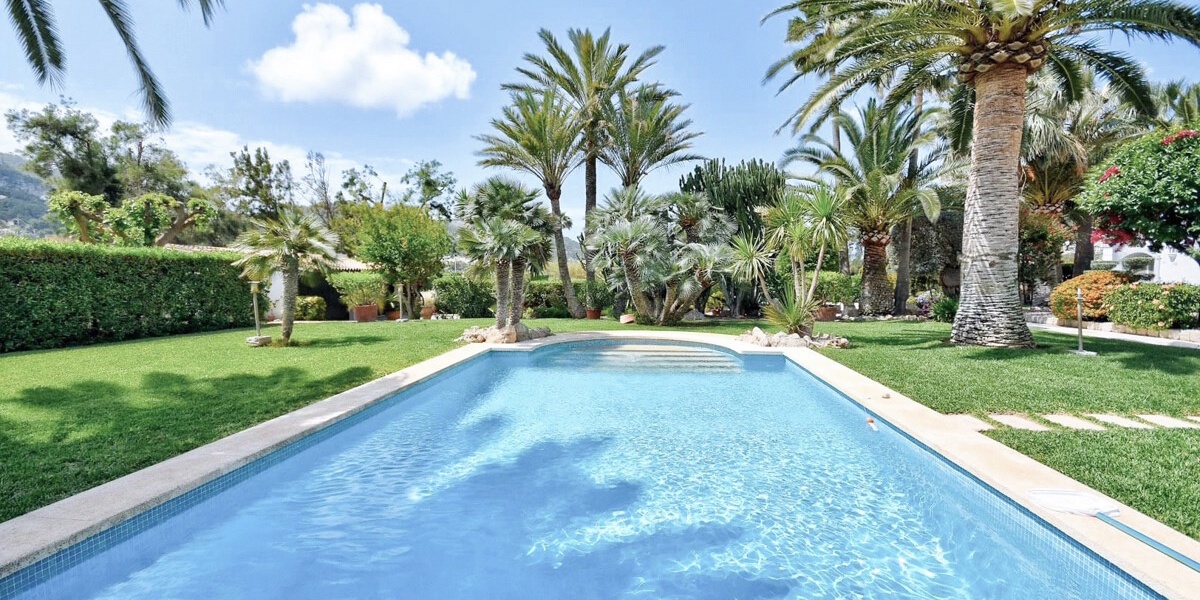
- Our properties for sale
- 4
- Price range
- €895,000 – €3,950,000
- Median asking price
- €1,470,000
Our figures: properties for sale on thomasmallorca.com, as of October 26, 2026.
4 properties
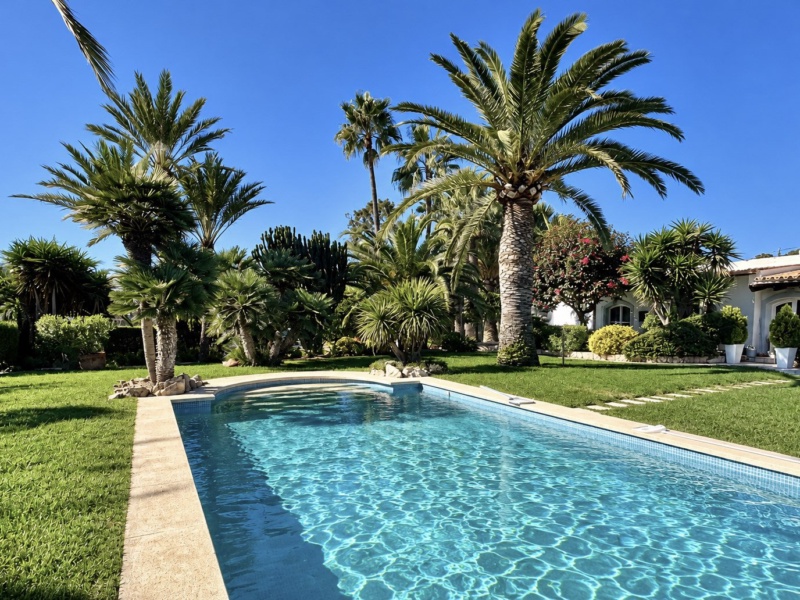
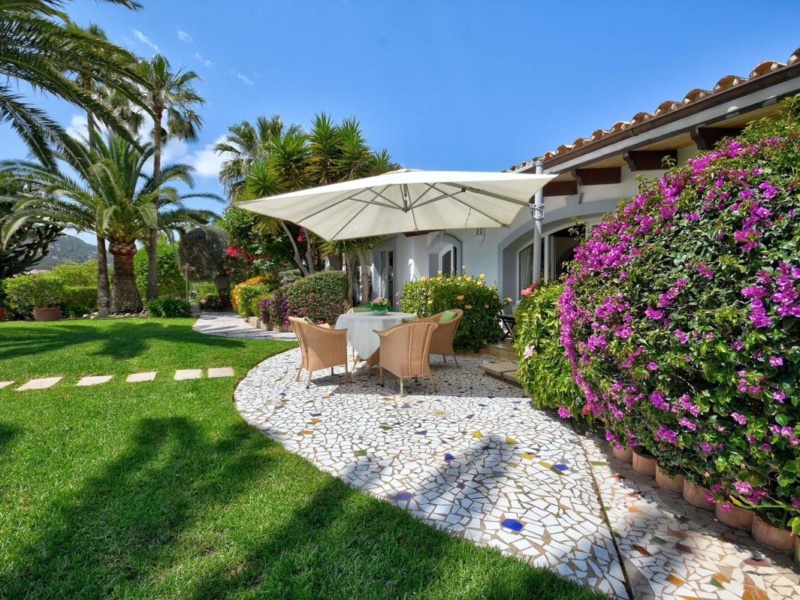
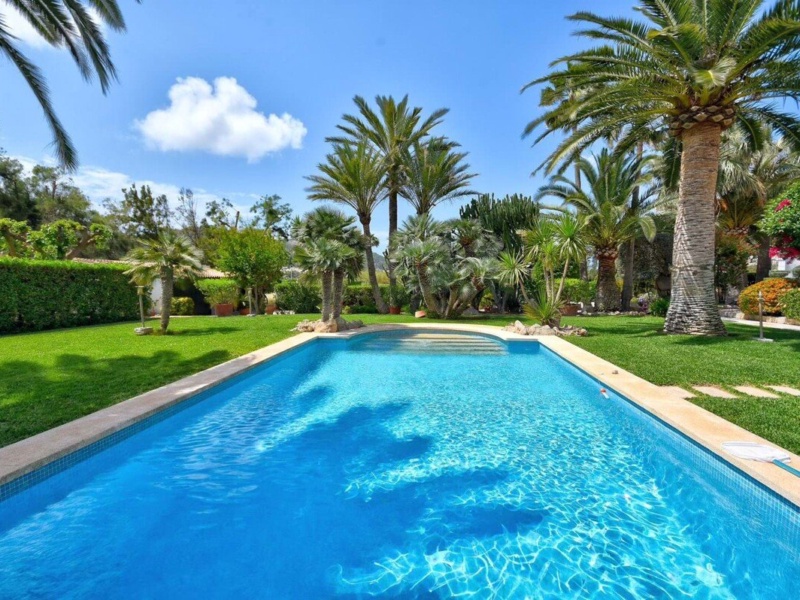
Palm Oasis in Prime Location! Idyllic Finca Within Walking Distance to the Harbor
Port d'Andratx
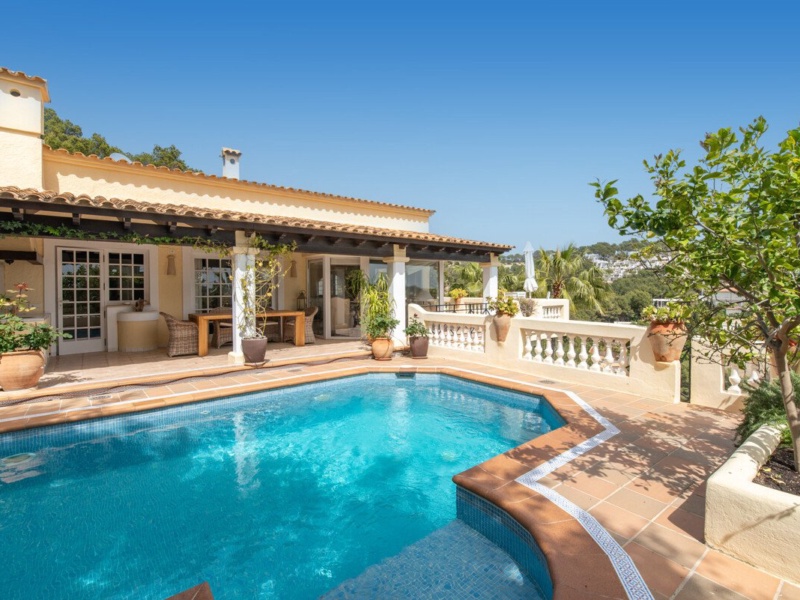
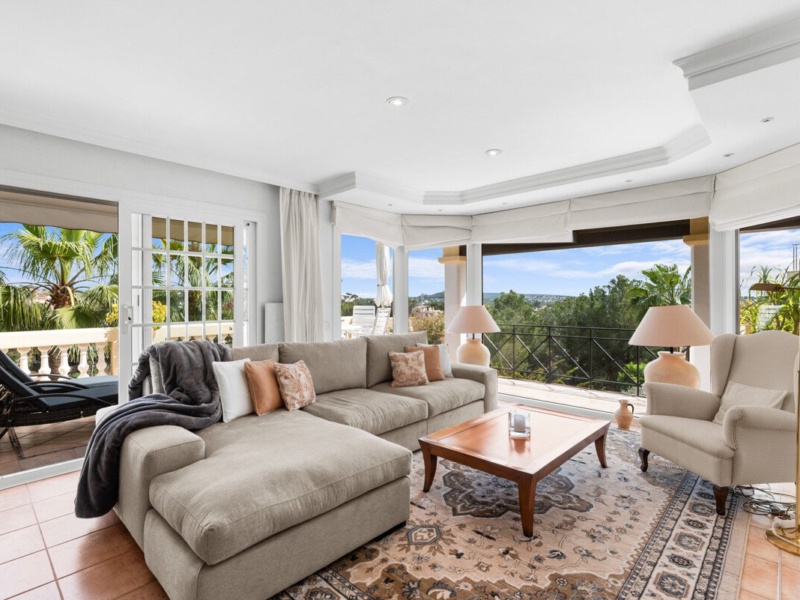
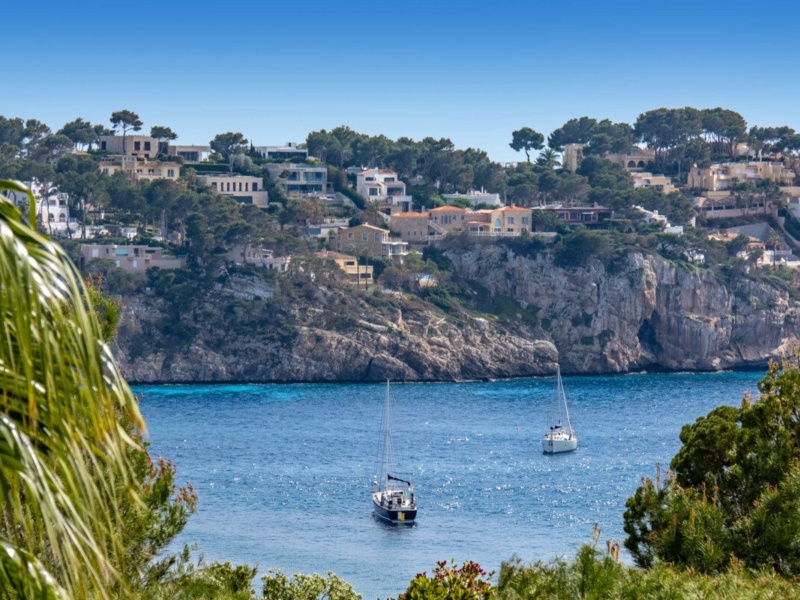
Mediterranean villa for sale in Costa de la Calma with partial sea views
Costa de la Calma
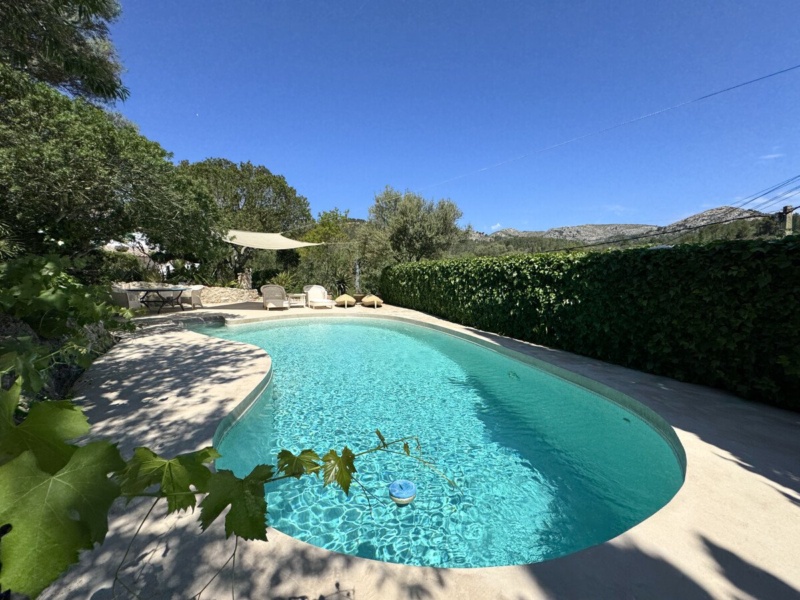
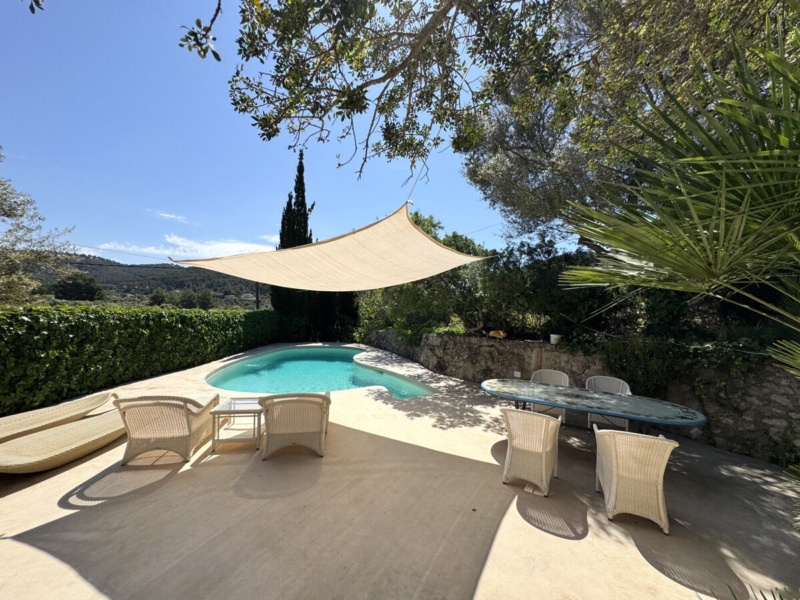
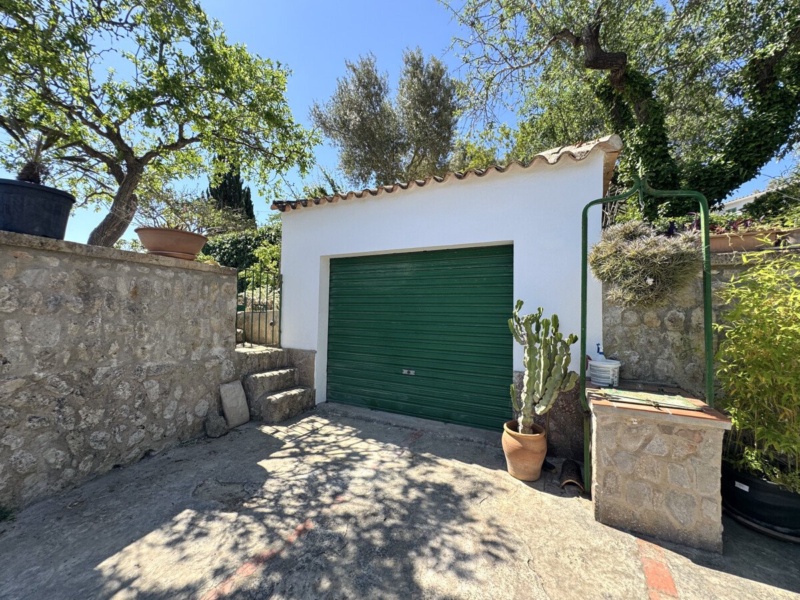
Charming 3-Bedroom Finca in the Picturesque Village of S'Arraco
S'Arraco
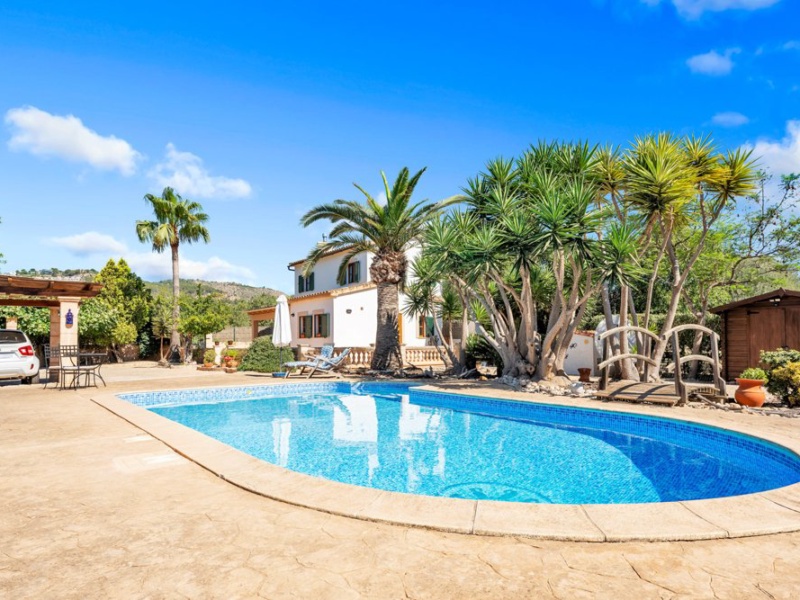
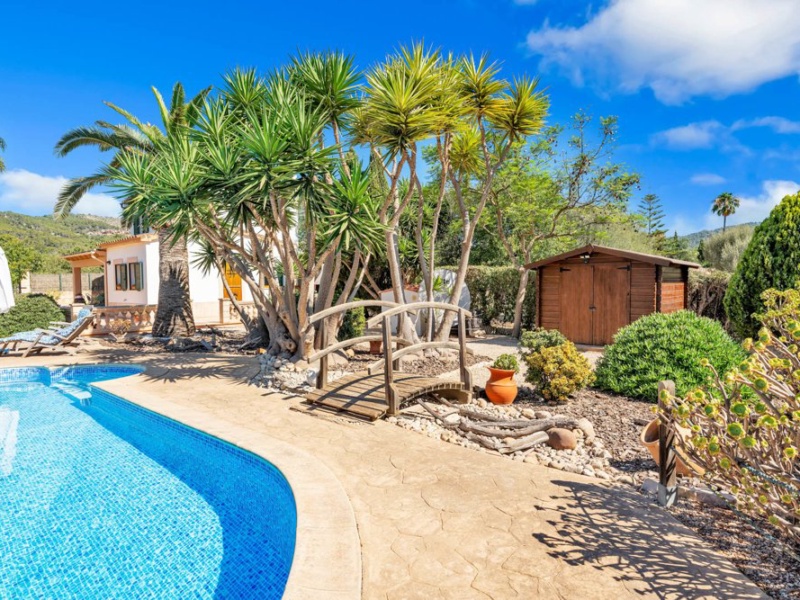
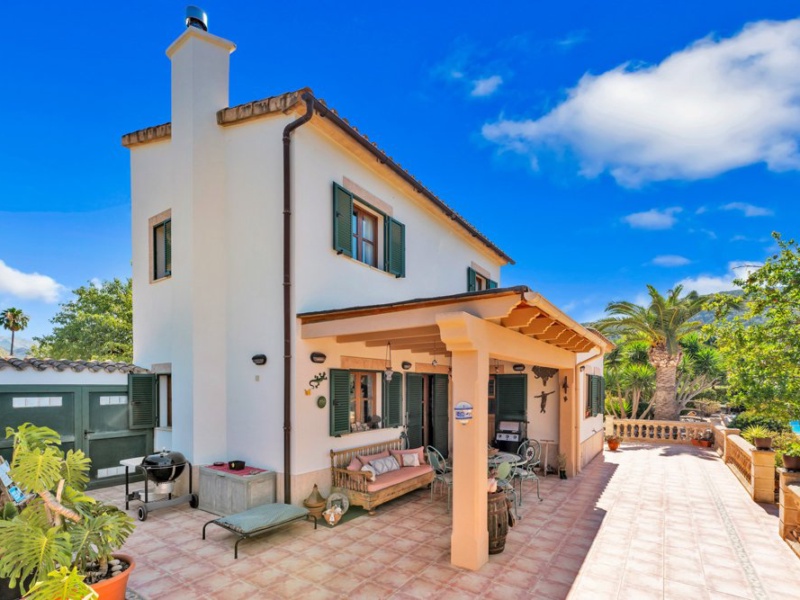
Charming Finca with Pool Within Walking Distance to Port d'Andratx Harbor
Port d'Andratx
Authentic Country Life in a Mediterranean Ambiance


Author: Klaudia Wolf Reviewed by Matthias Thomas
A finca on Mallorca is far more than just a property – it's a lifestyle. These traditional country houses, with their characteristic natural stone walls, rustic wooden beamed ceilings, and extensive grounds, embody the essence of Mallorcan country living. Anyone looking to buy a finca on Mallorca is investing in privacy, tranquility, and a piece of authentic island culture. From lovingly restored historic fincas with olive groves to modernized country estates with infinity pools – the variety is as vast as the island itself.
What is a Finca? – Definition and Typical Features
The term "finca" originates from Spanish and originally referred to a agricultural estate. On Mallorca, its meaning has evolved over the decades: today, a finca is understood as a rural residential house – often with a historic core – situated on a generous plot of land amidst the Mallorcan landscape.
Typical features of a Mallorcan finca include:
- Natural Stone Walls (Piedra de Marés): The honey-colored sandstone is the island's building material and gives fincas their unmistakable character. The thick walls naturally provide cool temperatures in summer and pleasant warmth in winter.
- Wooden Beamed Ceilings: Visible ceiling beams made of pine or olive wood are a typical stylistic element that is consciously preserved in renovated fincas.
- Terracotta Floors: Handmade clay tiles are part of the traditional furnishings and lend the rooms a warm, earthy atmosphere.
- Courtyard or Patio: Many fincas have a sheltered courtyard that serves as the focal point of domestic life.
- Open Fireplaces: Traditional fireplaces are found in almost every historic finca and are still appreciated today during the cooler winter months.
- Generous Plots: Finca plots often comprise between 5,000 and 100,000 square meters or more, frequently featuring olive groves, almond trees, citrus plants, or vineyards.
- Outbuildings: Many fincas have former stables, barns, or guesthouses that can be converted into separate living units, studios, or wellness areas.
- Cisterns and Wells: Historic water supply systems, some of which are still functional and used for garden irrigation.
Modern finca renovations preserve these historic elements and complement them with contemporary comfort: underfloor heating, state-of-the-art kitchens, designer bathrooms, smart home control, energy-efficient building technology, and infinity pools that blend harmoniously into the landscape.
Types of Fincas on Mallorca
Not all fincas are the same. Depending on their age, size, and history of use, different types can be distinguished:
Historic Finca (Possessió)
Mallorca's large country estates, once owned by nobility or wealthy families, often comprise several buildings, a tower (Torre de Defensa), and extensive lands. These properties are rarely on the market and are among the island's most exclusive real estate. Purchase prices often start in the double-digit millions.
Traditional Finca
The classic Mallorcan country house with two to four bedrooms, typical architecture, and a plot of 10,000 to 50,000 square meters. Many of these fincas have been lovingly restored over the past twenty years, offering a successful blend of tradition and modernity.
Modern Finca
New constructions in finca style that combine traditional architectural elements with contemporary design. They offer the charm of a finca with the comfort of a new build: optimal spatial layout, energy-efficient construction, and modern building technology from the outset.
Finca Rústica
Simpler rural houses on agricultural land (Suelo Rústico). Special building regulations apply here, which can restrict extensions and conversions. However, they often offer very large plots at comparatively affordable prices.
The Best Regions for Fincas on Mallorca
Fincas are found primarily in the interior and foothills of the mountain ranges. Each region has its own character and charm.
Serra de Tramuntana and Surroundings
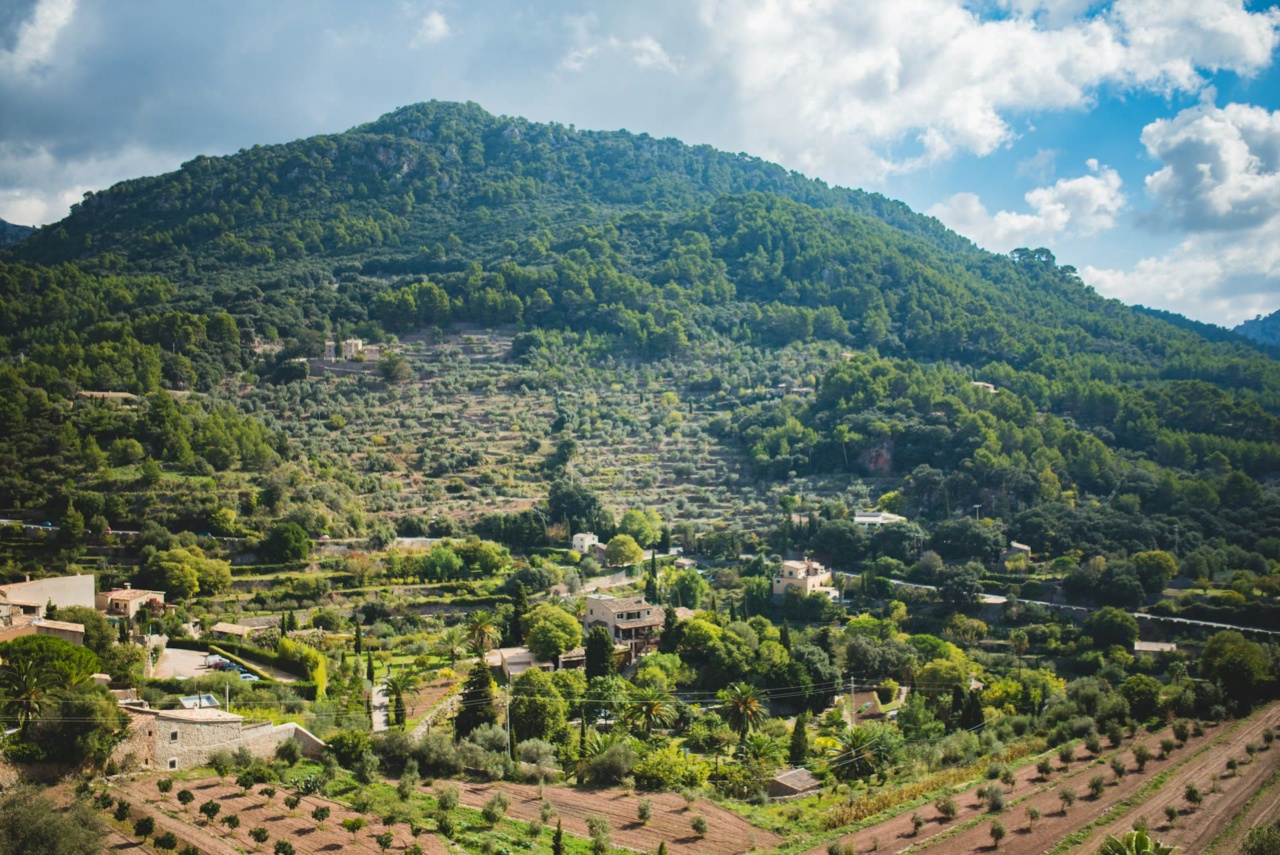
The UNESCO World Heritage mountain range in the northwest offers the most dramatic backdrop for finca living. The area around Sóller, Fornalutx, Deià, and Valldemossa captivates with steep mountain landscapes, orange groves, and spectacular views. Fincas here are particularly sought after and expensive. The proximity to charming mountain villages combined with seclusion makes this region unique.
Central Mallorca (Es Pla)
The vast plain in the center of the island around Sineu, Santa Maria del Camí, Binissalem, and Algaida offers rolling hills, vineyards, and a relaxed rural atmosphere. Fincas here are often more affordable than in the Tramuntana, yet still offer authentic country living with good access to Palma (20–40 minutes).
Southeast: Santanyí, Campos, Felanitx
The southeast of Mallorca combines country living with proximity to some of the island's most beautiful beaches. The area around Santanyí is considered particularly stylish and attracts an international clientele. Campos offers agricultural landscapes, while Felanitx impresses with its lively weekly market and burgeoning gastronomy scene.
Northeast: Artà, Capdepera, Son Servera
The northeast is less developed than the southwest coast, thus offering more tranquility and nature. Artà, with its medieval town center, is a magnet for art and culture lovers. Fincas in this region are often located in unspoiled landscapes with views of the coast or the Llevant mountains.
North: Pollença, Campanet, Selva
The area around Pollença connects the foothills of the Tramuntana with the north coast. Fincas here benefit from the proximity to historic Pollença and lively Port de Pollença, while also enjoying the tranquility of the hinterland. Campanet and Selva offer particularly authentic, unadulterated country living.
What Does a Finca on Mallorca Cost?
The price range for fincas is enormous and depends on location, size, condition, and plot area:
- Entry-level segment (requiring renovation, simple location): from approx. €400,000 – €700,000
- Mid-range segment (renovated, good location, pool): €700,000 – €1,500,000
- Upper-range segment (high-quality renovation, top location, large plots): €1,500,000 – €4,000,000
- Luxury segment (historic Possessió, designer finca, absolute dream location): from €4,000,000 upwards
Prices are highest in the Serra de Tramuntana and around Santanyí. In central Mallorca and the northeast, however, you can still find fincas with a more attractive price-performance ratio. Please note that purchase costs of approximately 10 to 13 percent will be added to the purchase price.
The Purchase Process for a Finca
The basic process is the same as the Spanish property purchase process: NIE application, reservation agreement, preliminary purchase agreement (Arras), due diligence, notarization, and land registry entry. However, with fincas, there are additional aspects that require special attention.
Building Law Check (Suelo Rústico)
Most fincas are located on rural land (Suelo Rústico), which is subject to special building regulations. The buildability depends on the plot size, municipality, and land classification. As a rule of thumb on Mallorca: on plots of 14,000 square meters or more (in some municipalities from 7,000 m²), a maximum of 2 to 3 percent of the plot area is permitted for residential construction. However, there are numerous exceptions and special regulations that a specialized lawyer should review.
Legality Check of Existing Buildings
A common issue with fincas on Mallorca: over the decades, many extensions, pools, or outbuildings have been constructed without building permits. A "Declaración de Obra Nueva Antigua" can, under certain conditions, allow for subsequent legalization. Before purchasing, be sure to check whether all existing buildings are legal or can be legalized – in the worst-case scenario, illegal constructions may have to be demolished.
Water and Electricity Supply
Not every finca is connected to the public water and electricity network. Many rural properties have their own wells (Pozo), cisterns, and in some cases, solar systems or generators. Check the water rights, the yield of existing wells, and the capacity of the electricity supply – especially if you plan to operate a pool, air conditioning, or other power-intensive facilities.
Access and Utilities
The access roads to fincas are not always asphalted. Unpaved country roads (Caminos Rurales) can be difficult to navigate in heavy rain. Clarify who is responsible for maintaining the access road, whether a legally secured right of way (Servidumbre de Paso) exists, and how far the nearest paved road is.
Taxes and Ancillary Costs
The ancillary purchase costs for fincas also amount to approximately 10 to 13 percent of the purchase price:
- Property Transfer Tax (ITP): 8 to 13 percent (staggered according to purchase price) for existing properties
- Notary fees: €600 to €2,000
- Land registry fees: €400 to €1,500
- Legal fees: 1 to 1.5 percent of the purchase price
Ongoing costs include property tax (IBI), waste disposal fees, insurance, garden maintenance (a significant item for fincas), pool maintenance, and regular utility costs. Since fincas do not have community fees, you bear all maintenance costs yourself – which can be both an advantage and a disadvantage.
Finca as a Holiday Home and Investment
Fincas are among the most popular holiday accommodations on Mallorca. The combination of privacy, a pool, a rural ambiance, and ample space makes them particularly attractive for families and groups.
Holiday Rentals
An ETV license is required for tourist rentals of a finca. Since fincas on rural land are generally considered single-family homes, the chances of obtaining a rental license are significantly better than for apartments in multi-family buildings. The rental season on Mallorca runs from April to October, with weekly rents ranging from €2,000 to over €10,000 during the high season (June to September) – depending on size, location, and amenities.
Combining Personal Use and Rental
Many finca owners use their property for a few weeks or months a year themselves and rent it out the rest of the time. This model allows for covering ongoing costs or even generating a return, while simultaneously having your own holiday home. A professional local property management company handles guest communication, cleaning, key handover, and property maintenance.
Value Development
Fincas in good locations have experienced above-average value appreciation in recent years. The limited supply – there is only a finite number of historic fincas, and new construction possibilities on rustic land are severely restricted – ensures stable to increasing demand. Renovated fincas in the Tramuntana, around Santanyí, and in the center of the island are particularly sought after.
Renovating a Finca – What You Need to Know
Renovating a finca can be one of the most rewarding, yet also most challenging, projects on Mallorca.
Typical Renovation Measures
- Renewal of the roof and roof structure while preserving the traditional wooden beamed ceiling
- Restoration of the masonry and treatment of moisture
- Complete renewal of electrical and plumbing installations
- Installation of modern bathrooms and kitchens
- Installation of underfloor heating and air conditioning
- Window and door replacement (often custom-made items are necessary)
- Pool construction and terrace design
- Garden and landscape design
Costs and Timeframe
A comprehensive finca renovation costs between €1,500 and €3,000 per square meter of living space, depending on the condition and scope. In addition, there are costs for outdoor areas, pool, and garden. The timeframe for a complete renovation typically ranges from 12 to 24 months – not including permit procedures. An experienced local architect is indispensable for finca renovations, as they are familiar with both traditional building techniques and current building regulations.
Monument Protection and Regulations
Some historic fincas are listed as cultural heritage sites (Bien de Interés Cultural). In this case, strict regulations apply regarding materials, facade design, and room layout. Even without formal monument protection, many municipalities value the preservation of the traditional character of the landscape – especially in the Serra de Tramuntana.
Everyday Life on a Finca – Enjoying Country Living
Life on a finca is fundamentally different from city life. The silence of nature, the wide views over the landscape, and the rhythm of the seasons shape daily life. In the morning, you are woken by the chirping of birds instead of traffic noise, and in the evening, you enjoy the sunset from your terrace.
At the same time, finca living requires more initiative: the garden and pool need to be maintained, the access road kept in good condition, and the house regularly ventilated and serviced – especially if you are not there year-round. A reliable caretaker or local property management is almost indispensable for finca owners.
Distances to supermarkets, restaurants, and medical care can range from 5 to 20 minutes depending on the location. Your own vehicle is essential on a finca. In return, you enjoy a level of privacy and freedom that no other type of property on Mallorca can offer.
Your Finca on Mallorca with Thomas Mallorca Real Estate
Thomas Mallorca Real Estate has many years of experience in selling Mallorcan fincas. We understand the specifics of this unique type of property and offer comprehensive advice – from the initial viewing to the building law and legal checks, right up to the notary appointment. Our network of specialized lawyers, architects, construction companies, and property managers is at your disposal to make your finca dream a reality.
Discover our current finca offers on Mallorca and contact us without obligation. Whether you are looking for a move-in ready dream finca or a renovation project with potential – we will find the right property for you.
Frequently Asked Questions
Extensions on Suelo Rústico are possible, but subject to strict requirements. The buildable area depends on the plot size and the municipality. Generally, a maximum of 2 to 3 percent of the plot area is buildable. An architect can determine the specific possibilities for your property.
Compare the areas registered in the Land Registry (Registro) and the Cadastre with the actual construction. Your lawyer should also conduct an inquiry with the municipality to check if building permits exist for all existing building parts. Aerial photographs from different years can also be informative.
Yes, a building permit (Licencia de Obra) is required for building a pool on Rústico land. The eligibility for a permit depends on the plot size and the existing construction. The processing time can take several months.
In principle, yes – many finca owners keep chickens, sheep, goats, or horses. Depending on the type and number of animals, official registration requirements and regulations may apply. Clarify the possibilities with the responsible municipality in advance.
Professional property management companies on Mallorca offer comprehensive service packages: regular inspection visits, garden and pool maintenance, coordination of tradespeople, mail and administrative matters. Costs range from 200 to 800 euros per month, depending on the scope of services.
An ETV license is required for holiday rentals. The chances of obtaining one are generally better for fincas (single-family homes on Rústico) than for apartments. However, there is a moratorium in some municipalities and a cap on rental licenses for the entire island. Check the current legal situation before purchasing.
Look for an architect with proven experience in finca renovation. Visit reference properties, obtain client references, and pay attention to local expertise – an architect who knows Mallorcan building materials, traditional craftsmanship, and the administrative processes is invaluable.
Contact your estate agent in Mallorca
We advise you personally on property in Mallorca: by phone, WhatsApp, email or at our office on the harbour in Port Andratx.
Thomas Mallorca Real Estate
Carrer de Isaac Peral, 50, 07157 Port d'Andratx
Mon–Fri 10am–6pm, Sat 10am–4pm
5.0 · Google reviewsSince 1990 · Registered agent (ROAIIB)