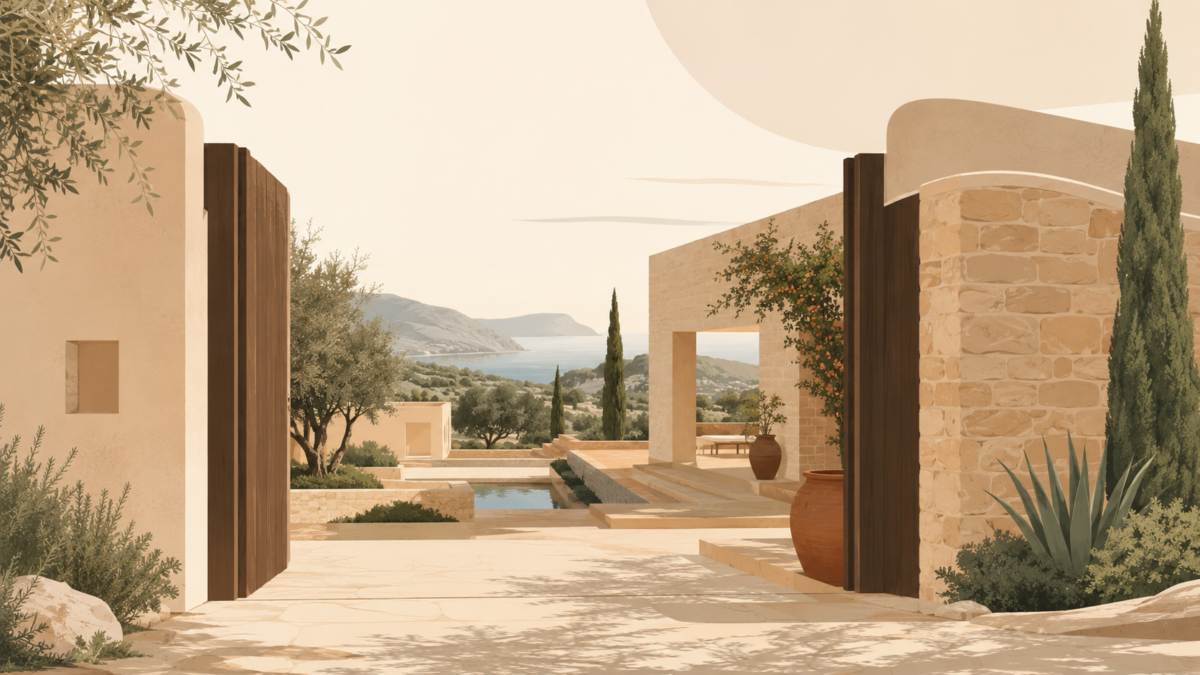
Preparing a Property Viewing on Mallorca Properly
A property viewing on Mallorca should never be just a walk through beautiful rooms. Especially on the island, location, orientation, access, dampness, building condition and legal documents often determine whether a property brings long-term joy or becomes expensive. Therefore, prepare the viewing like a technical and practical inspection.
Before the viewing: Check documents and location
Ask the agent before the appointment for the most important basic data: exact address, cadastral reference number, living and plot areas, year of construction, energy certificate, Cédula de habitabilidad, Nota Simple from the land registry and a list of known renovations. For country houses, fincas, coastal locations and older properties, building and use permits, plans, evidence of extensions, pool, garage, guest house or terraces should also be available.
- Check the cadastre: Do the plot boundaries, built-up areas, use and location match the exposé, plans and reality?
- Check the land registry: Who is the owner, what encumbrances, mortgages, rights of way, usufruct rights or other rights are registered?
- Check the Cédula: Is the habitability documented and is a valid Cédula or equivalent document available?
- Check the energy certificate: Is the energy certificate registered, current and does the rating match the condition of windows, insulation, heating, air conditioning and hot water?
- Check urban planning: Is the property in suelo urbano, rústico or a special protection or coastal zone?
- Check water and coastal risks: For torrents, slopes, depressions, coastal proximity or sea views, flood, coastal and protection lines should be checked separately.
Realistically assess location and neighborhood
Don't just view the house, but also the surroundings. A quiet street in the exposé can seem completely different in summer, at weekends or when the wind changes. Ideally, plan two appointments: one during the day and one in the evening or at the weekend.
- How far are the supermarket, pharmacy, doctor, school, harbour, beach or Palma really?
- What is the access like in rain, darkness and oncoming traffic?
- Are there construction sites, vacant plots or areas that could be built on in the future?
- How close are restaurants, hotels, holiday rentals, sports facilities, main roads or agricultural businesses?
- Does the neighborhood seem inhabited year-round or strongly seasonal?
Test privacy, views and everyday life
Privacy is often a decisive value factor on Mallorca. Therefore, consciously check who can see into the terrace, pool, bedroom and living area from outside. Also pay attention to higher neighboring houses, access roads, hiking trails, hotel terraces or planned new buildings.
- Is the pool visible from neighbors or the street?
- Are there direct sightlines into bedrooms or bathrooms?
- Do walls, hedges and planting really provide protection or only in summer?
- Who uses adjacent paths, driveways or communal areas?
- Are there rights of way or shared driveways?
Building fabric: Look closely instead of glossing over
In Mediterranean properties, fresh paint, home staging and new furniture can conceal structural issues. Take time for the basement, roof, utility rooms, facades, terrace connections and external walls. For older houses, fincas and renovated townhouses, an independent architect or building expert should inspect before purchase.
- Are there cracks in facades, interior walls, ceilings, lintels or terraces?
- Are cracks fine and superficial or do they run diagonally, wide or recurring?
- Do the roof, roof terrace, seals and gutters appear well-maintained?
- Are there subsidence, uneven floors or sticking doors and windows?
- Were extensions, pergolas, garages, pools or guest houses approved?
- Does the built reality match the cadastre, land registry, plans and exposé?
Dampness: Mallorca's most common check point
Dampness is a classic on Mallorca, especially in ground floor apartments, village houses, fincas, houses without adequate horizontal damp-proofing, coastal locations and poorly ventilated holiday properties. Look not only for obvious mould, but also for smell, salt efflorescence, blisters in plaster, peeling paint and freshly painted base areas.
- Does it smell musty, especially in cupboards, basements, bathrooms or closed rooms?
- Are there dark corners behind furniture, curtains or headboards?
- Are skirting boards warped or walls in the lower area newly painted?
- Do external walls, terrace connections or roof terraces show water marks?
- How is the property ventilated and heated in winter?
- Have there been leaks, roof problems or floods in the past?
Check technology, energy and running costs
The technical equipment determines comfort and follow-up costs. Don't just ask whether the air conditioning, heating and hot water work, but how old they are, when they were last serviced and whether they are suitable for year-round use.
- What heating is there: heat pump, electric radiators, underfloor heating, gas, oil, fireplace or no fixed heating?
- How old are the air conditioning units, boiler, pipes, fuse box and electrical installation?
- Is there sufficient electrical capacity for air conditioning, pool pump, kitchen, wallbox or heat pump?
- Is the house connected to public water and sewage?
- For fincas: Is there a well, cistern, water delivery, septic tank or solar system, and are these legally documented?
- How high were the electricity, water, IBI, waste fees, community costs, pool and garden maintenance in the last twelve months?
Access, parking and accessibility
A beautiful property loses value in everyday life if access and parking are complicated. This applies especially to mountain locations, narrow village centres, fincas with long driveways and houses in popular coastal towns.
- Is the road public or private?
- Is there a registered right of way if crossing other properties?
- Is the access wide enough for delivery vans, tradesmen, fire brigade and ambulance?
- Are there problems with heavy rain, washed-out roads or steep ramps?
- How many actual parking spaces are there, not just theoretically in the exposé?
- Is parking still practical in summer or during events?
Don't underestimate noise sources
Noise on Mallorca is highly seasonal. Flight paths, main roads, mopeds, delivery traffic, neighbors, dogs, restaurants, hotels, beach clubs, agriculture and pool technology can vary depending on the time of day. During the viewing, stay silent for a few minutes on the terrace, balcony and in the bedrooms.
- Can you hear planes, road traffic, motorcycles or delivery traffic?
- Are there nearby restaurants, bars, hotels, sports fields or holiday rentals?
- Are bedrooms facing the street, communal areas or neighboring terraces?
- Are windows and doors sufficiently soundproof?
- Where are the pool pump, heat pump, air conditioning units and neighbor's technology located?
Sun, orientation and microclimate
Orientation is more than an exposé detail. South and west facing positions bring light and winter sun, but can become hot in high summer. North facing positions remain cooler, but are more prone to dampness in older houses. On slopes, in valleys and near the coast, wind, shade and humidity play a major role.
- Which rooms get morning, midday and evening sun?
- Is the terrace usable in summer or does it need additional shading?
- Is there enough sun in the living area in winter?
- Do neighboring buildings, mountains, trees or planned constructions shade the property?
- How wind-protected are the pool, terrace and dining area?
- Is the property comfortable for year-round use or only optimized for summer?
Questions for the agent and seller
Prepare your questions in writing and have important answers confirmed by email after the viewing. This creates clarity and helps your lawyer, architect or technical inspector with the further due diligence.
Documents and legal matters
- Is a current Nota Simple available?
- Do the owner, plot area and encumbrances match the information in the exposé?
- Are there mortgages, liens, usufruct, rental contracts, rights of way or third-party usage rights?
- Is there a valid Cédula de habitabilidad or equivalent document?
- Is the energy certificate registered and current?
- Are all buildings, extensions, pools, terraces, garages and outbuildings approved?
Condition and renovations
- When were the roof, windows, electrics, plumbing, heating, air conditioning and pool technology renewed?
- Are there invoices, guarantees or maintenance records?
- Have there been dampness, mould, leaks, subsidence or insurance claims?
- What work is needed in the short term?
- What work was carried out without an architect, license or final approval?
Costs and use
- How high are the IBI, waste fees, community costs and insurance?
- How high were the electricity and water costs in summer and winter?
- Are there restrictions from the homeowners' association, municipality, coastal law, monument protection or rural classification?
- Is holiday rental allowed, excluded or not relevantly documented?
- Which furniture, appliances and fixtures are included in the purchase price?
After the viewing: Don't decide immediately
Create a short list of defects and questions directly after the appointment. Separate cosmetic issues, technical risks, legal questions and price arguments. If the property remains interesting, an independent check by a lawyer and, if necessary, an architect should take place before a binding reservation or deposit.
A good Mallorca viewing does not end with a gut feeling, but with clarity: Does the location suit everyday life, is the property legal and technically comprehensible, are dampness and follow-up costs manageable, and are there no open points that could become expensive later?
Sources
- Sede Electrónica del Catastro Dirección General del Catastro
- Registro de la Propiedad Ministerio de la Presidencia, Justicia y Relaciones con las Cortes
- Registro de la Propiedad Colegio de Registradores
- Real Decreto 390/2021, de 1 de junio, por el que se aprueba el procedimiento básico para la certificación de la eficiencia energética de los edificios Boletín Oficial del Estado (BOE)
- Inscripción en el Registro de certificados de eficiencia energética de edificios Govern de les Illes Balears
- Cédula de habitabilidad Consell de Mallorca
- Mapa Urbanístico de las Illes Balears Govern de les Illes Balears
- Visor del Agua Govern de les Illes Balears
- Sistema Nacional de Cartografía de Zonas Inundables MITECO
- Visores geográficos de Costas y Medio Marino MITECO
- Mapas interactivos de ruido Aena